Moss Point Gulf Coast Tech

Gulf Coast Tech

  • Home
  • About
  • Categories
    • Tech News
    • Trending News
    • Tomorrow Tech
    • Disruption
    • Case Study
    • Infographic
    • Insurance
    • Shipbuilding
    • Technology
    • Final Expense
    • Expert Interview
    • Expert Comment
    • Shipyard Employee
  • Mississippio
November 18.2026
3 Minutes Read

Global Shipping Organizations Demand Unified GHG Regulations: The Path Forward

Shipping organizations urge governments to agree on global GHG regulations

Global Shipping Faces a Crucial Decarbonization Challenge

As the shipping industry continues to grapple with its significant role in global greenhouse gas (GHG) emissions, a critical meeting looms on the horizon. The Marine Environment Protection Committee (MEPC 85) will convene in London from November 30 to December 4, where ambitious plans for achieving net-zero GHG emissions by or close to 2050 will be revisited. After last year's inability to adopt crucial carbon price proposals, shipping organizations are voicing a pressing need for coordinated global regulations that address climate goals without causing operational chaos within the industry.

The Consensus from Leading Shipping Organizations

Major shipping players, including BIMCO, CLIA, IBIA, ICS, and more have come together to promote a unified call to action. Their joint statement emphasizes the necessity for a robust regulatory framework that is practical, enforceable, and supportive of technological advancements in alternative fuels. Notably absent from their statement is a direct mention of carbon pricing, suggesting a shift in strategy towards cooperative governance rather than punitive fiscal measures.

Why a Global Approach Is Essential

The international nature of the shipping industry necessitates a global solution—local regulations or fragmented policies could lead to compliance chaos and unfair competition. The organizations stress that only a cohesive legal framework can facilitate the transition to lower GHG fuels while ensuring a level playing field among shipping companies worldwide. They advocate for international rules that equally apply to all vessels, mitigating the risk of conflicting requirements.

Investment Certainty Is Key for Transition

According to industry experts, achieving effective decarbonization in the maritime sector requires substantial investment. Stakeholders, including shipowners and fuel producers, demand regulatory certainty to foster sustainable investments. The shipping industry has already allocated billions towards building modern ships that can leverage alternative low GHG fuels. Without a clearly defined regulatory environment that supports these investments, it's unlikely we will see the innovations needed to meet GHG targets.

Identifying Opportunities Among Challenges

Despite the hurdles, the shipping industry views this as an opportunity to drive innovation and improved practices. The adoption of flexible compliance mechanisms is one of the key proposals that can help companies tailor their transition strategies according to their capacities. This is particularly vital for smaller operators, who may lack the resources to rapidly adapt to new regulations.

Future Regulations Must Be Strong Yet Flexible

For regulations to be truly effective, they should reward verifiable emissions reductions. Proposals that include incentives for further investments will likely yield more substantial results. At the MEPC 85, there is hope that member states will foster an environment where collaboration leads to universally effective regulations, balancing the competing priorities of environmental sustainability and economic viability.

Conclusion: The Road Ahead for Shipping

The upcoming discussions at MEPC 85 mark a pivotal moment for international shipping. The maritime community is poised to make significant strides toward decarbonization, provided that member states can engage constructively and work toward a balanced regulatory framework. This framework should not only facilitate compliance but also be a catalyst for innovation and investment in cleaner technologies. A successful outcome could redefine the future of global shipping and its role in addressing climate change.

Tomorrow Tech

0 Comments

Write A Comment

*
*
Please complete the captcha to submit your comment.
Related Posts All Posts
11.17.2026

The Impact of Storis's 133-Day Arctic Deployment on U.S. Maritime Strategy

Update Reinforcing U.S. Maritime Strategy in the Arctic The return of the U.S. Coast Guard Cutter Storis to Seattle after its 133-day Arctic deployment signifies a pivotal moment in bolstering American operations in the fast-changing Arctic region. As the sole U.S. surface asset in the High Arctic, Storis has played a vital role in ensuring maritime safety, border control, and enforcement of sovereignty over U.S. waters. This deployment not only demonstrates the capacity of Storis as a medium polar icebreaker but underscores the United States' commitment to maintaining a presence in one of the most strategically important areas in the world. Historic Missions in Extreme Conditions Storis engaged in a variety of operations, including monitoring foreign-flagged vessels and conducting inspections of fishing vessels. Notably, it marked the first law enforcement mission by a polar icebreaker in over two decades. These missions illustrate the Coast Guard's adaptability and the importance of icebreakers in supporting national security objectives even amidst challenging conditions. With operations like this, the Coast Guard not only reinforces its law enforcement capabilities but also secures its interests in fishing and environmental regulations, safeguarding the delicate balance of the ecosystem in Arctic waters. Technological Advancements and the Future of Arctic Operations One of the remarkable features of Storis is its capability to test new technologies in extreme cold. During its patrol, Storis partnered with innovative research teams to evaluate unmanned aircraft systems. These tests are part of a broader mission known as the Icebreaker Collaboration Effort, which aims to enhance operational abilities in polar environments. The insights gleaned from these trials, which involved five sorties and totaled nine flight hours, will likely shape the Coast Guard's future missions, especially as climate change opens up new navigable routes in the Arctic. Integrating unmanned systems could significantly reduce risks to personnel while increasing operational efficiency. Joint Naval Exercises: Strengthening Partnerships Storis also participated in Operation Tundra Merlin, working collaboratively with Canadian naval forces. This joint operation highlights the importance of international cooperation in the Arctic, particularly as global interest in this region increases. Such collaborations are vital, not just for maritime security but also for sharing knowledge and resources among allied nations. The ability to work alongside the Royal Canadian Navy's HMCS Max Bernays (AOPV 432) enhances both countries' capabilities in monitoring and securing the Arctic, indicating a collective effort to respond to emerging challenges in the region. The Importance of Education and Training for Coast Guard Personnel Training in extreme conditions is crucial, and Storis recently conducted its first live-fire gunnery exercise in ice-covered waters. This exercise not only familiarized the crew with employing weapons under harsh weather but also produced valuable data expected to inform future training programs. Such training exercises are key to preparing the crew for potential national defense missions. The experience gained by the crew not only sets a new standard for operational readiness but also equips Coast Guard personnel to meet the intricate challenges posed by the Arctic environment, which is often unpredictable and harsh. Embracing Change and Preparing for the Future As Captain Corey Kerns noted, these operations occur during a period of significant change for both the Coast Guard and the broader global context. The successful deployment of Storis may well serve as a blueprint for future missions within the Arctic, reinforcing the commitment to maritime safety and national sovereignty. The conclusions drawn from its deployments and the capabilities shown promise to enhance the effectiveness of future polar operations. With the anticipated delivery of the new Polar Security Cutter class, Storis sets a precedent for the future of Arctic operations. Through advancements and successful missions, the Coast Guard is positioning itself to address the evolving dynamics in the Arctic, which will require flexibility and adaptation in the face of environmental changes and increasing shipping routes. The Community's Role in Supporting the Coast Guard As Storis returns to Seattle, the local community and officials acknowledge the role the Coast Guard plays not only in policing Arctic waters but also in safeguarding local interests. Awareness of their missions can encourage community support for future initiatives that aim to reinforce maritime security and environmental stewardship. Engaging with local communities about the Coast Guard’s missions fosters a broader understanding of the regional dynamics at play. Such education is vital as the effects of climate change gradually alter the landscape of the Arctic, affecting both human and wildlife populations. As the U.S. continues to navigate these changes, the successful deployment of Storis serves as a reminder of the dedication, professionalism, and adaptability of the Coast Guard's personnel in ensuring the safety and security of the nation’s interests in the Arctic.”

11.16.2026

Navigating the Waves of Change: Innovations in Maritime Technology

Update The Future of Maritime Technology: A Closer Look As the maritime industry evolves, advancements are continuously reshaping the landscape, from innovative ship designs to sustainable practices. Recent developments, including Rolls-Royce's licensing deal with MAKEEN to produce MTU 2000 engines in Saudi Arabia, spotlight a significant shift towards local manufacturing in high-tech sectors. This move not only bolsters local economies but also contributes to global sustainability goals by potentially reducing transportation emissions and costs. By manufacturing engines locally, businesses can ramp up production values and create job opportunities directly within the community. Innovations in Ferry Transport: Real-World Lessons This year’s Artemis project, which focuses on hydrofoiling electric ferries, returned with invaluable lessons from real-world applications. These ferries promise efficient and eco-friendly transport methods that can greatly benefit coastal cities combating pollution and congestion. Their design not only enhances speed but minimizes water resistance, leading to a more sustainable shipping option. The introduction of hydrofoiling technology could alter the standard in ferry transport, allowing cities to offer greener alternatives to traditional motor ferries. This transition has the potential to improve the quality of life for residents and make coastal tourism more sustainable. The Rise of Offshore Wind Energy: Economic and Environmental Impacts Meanwhile, the offshore wind sector also has vital implications for the economy, as demonstrated by PaxOcean's recent partnership with Ulstein on a new, innovative Service Operation Vessel (SOV). This vessel is designed to efficiently service windfarms, illustrating how the push for renewable energy can create jobs and stimulate economic growth. The SOV’s design integrates advanced technology, ensuring reduced maintenance downtime and improved operational efficiency. The collaboration between maritime and renewable energy sectors exemplifies how innovation can help combat climate change while also providing new avenues for economic development. Modern Shipyards: A Transformative Era in Shipbuilding The shipbuilding industry is also undergoing a transformation, with new cranes being installed at Harland & Wolff, marking a critical investment in modernizing shipyards. As older ships reach the end of their lifespan, technologically advanced shipyards are essential for building the next generation of vessels. These upgrades not only enhance productivity but also support safety measures in construction. Investing in modern equipment means that shipyards can respond more quickly to market demands, while also increasing the overall quality of vessel construction, which is vital as international regulations around safety and environmental impacts grow stricter. The Importance of Sustainable Practices in Shipping The recent Memorandum of Understanding (MOU) signed by OSG affiliate Aptamus for the development of a Florida LCO2 terminal is a testament to the increasing focus on carbon capture and storage solutions. This project reflects the broader financial and environmental strategies aiming to reduce the maritime sector's carbon footprint, showcasing how regulatory environments can drive innovation toward greener practices. By investing in carbon capture technologies, shipping companies not only comply with stringent environmental regulations but can also position themselves as leaders in corporate responsibility, appealing to eco-conscious consumers and stakeholders. Conclusion With these examples from the shipping and maritime technology sectors, it’s evident that we are at an inflection point. Innovations are not only improving efficiency and sustainability but also preparing the industry for future challenges. Stakeholders must continue to embrace technological advancements and sustainable practices to foster a resilient maritime economy. As maritime operations become more integrated with technological advancements, the potential for innovation promises a transformative future for the industry. Emphasizing local solutions, environmental impact, and advanced technologies will be crucial in steering the maritime sector towards a sustainable and economically viable future.

11.14.2026

New Orleans Collision: What Experts Say About the Capsized Cruise Vessel

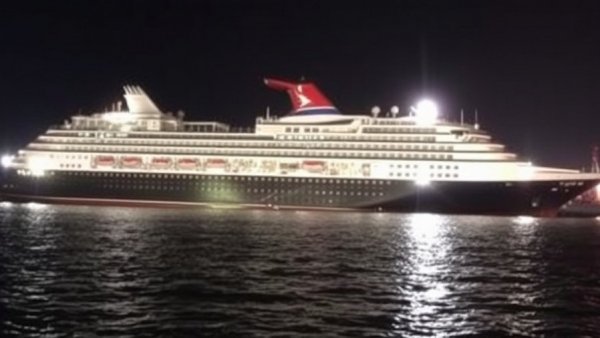
Update A Disturbing Scene UnfoldsEarly Friday afternoon, November 13, tragedy struck the Mississippi River when the asphalt tanker Atlantic Asphalt collided with the cruise ship American Heritage in New Orleans. The incident occurred around 12:30 p.m. CST, just as the river cruise vessel was docked near the bustling Port of New Orleans, leading to a harrowing scene where passengers found themselves in life-threatening peril.Footage from the scene depicted chaos as the American Heritage rolled onto its side after being struck, throwing passengers into the river. Estimated reports suggest approximately 129 individuals were onboard at the time of the accident. Local officials confirmed that all passengers and crew members were accounted for, offering a sense of relief amid what could have been a catastrophic disaster.Emergency Response and Medical AssistanceIn immediate response to the incident, the U.S. Coast Guard and local emergency services sprang into action. According to New Orleans Mayor Helena Moreno, 32 people were transported to local hospitals, with reports indicating that thankfully no critical injuries were documented. The rapid involvement of the New Orleans Regional Transit Authority (RTA) was crucial, as they temporarily suspended ferry services but efficiently redirected operations to assist in emergency transports. This quick action facilitated the medical evaluation of passengers, signaling the importance of coordinated responses during crises.Analyzing the Collision: What Went Wrong?Robert A. Clifford from Clifford Law Offices shared insights that suggest the tanker might have lost control before the collision occurred. His preliminary assessment noted that the Atlantic Asphalt appeared to hit the cruise liner at significant speed, emphasizing a serious breach of safety protocols on the Mississippi. The accident raises critical questions about maritime safety regulations and control measures in place for vessels navigating the congested waters of New Orleans.Technology's Role in InvestigationThe investigation into the circumstances surrounding the collision has begun, and experts highlight the potential importance of the tanker’s voyage data recorder. This technology, akin to the black boxes used in aviation, could provide essential data regarding the ship’s speed, direction, and navigational decisions leading up to the accident. Collecting such information could be pivotal in understanding how to prevent similar incidents in the future.Looking Ahead: Understanding the Bigger PictureThis incident not only underscores the immediate dangers of maritime transportation but also prompts a larger discussion around policies and practices that govern such vessels. As the investigation unfolds, stakeholders from local authorities to cruise line management will need to collaborate closely to assess existing safety practices and implement necessary reforms to bolster passenger safety and operational accountability.Final Thoughts: Safety Must Be PriorityAs this story develops, it serves as a crucial reminder of the inherent risks within maritime travel. With fatalities thankfully avoided during this incident, it’s an opportune moment for industry officials and regulators to reflect on safety enhancements. Initiatives should be geared towards safer navigation practices, improved crew training, and stricter adherence to established safety protocols. Protecting lives is crucial, and vigilance can lead to a safer experience for all who travel on these waters.The incident near the Port of New Orleans opens a dialogue about the nature of maritime travel safety and the importance of technology in accident prevention and investigation. Passengers deserve assurances that every measure is in place to protect their lives and well-being while traversing these iconic rivers.As experts continue their investigations and learn from this event, all eyes will remain focused on the outcomes—both for the individuals directly affected and for the broader framework of safety in river transport.

Gulf Coast Tech

Moss Point Gulf Coast Tech, your premier destination for the latest tech news and innovations shaping the Gulf Coast and beyond.

228 355 0244

AVAILABLE FROM 10AM - 9PM

Pascagoula, Mississippi

3414 Shortcut Rd.
Pascagoula, MS 39581 USA

ABOUT US

Gulf Coast Tech delivers the latest tech news and innovations to the Gulf Coast audience every day.

© 2026 JimBroad Media All Rights Reserved. 3414 Shortcut Rd, Pascagoula, MS 39581 . Contact Us . Terms of Service . Privacy Policy

eyJjb21wYW55IjoiSmltQnJvYWQgTWVkaWEiLCJhZGRyZXNzIjoiMzQxNCBTaG9ydGN1dCBSZCwgUGFzY2Fnb3VsYSwgTVMgMzk1ODEiLCJjaXR5IjoiUGFzY2Fnb3VsYSIsInN0YXRlIjoiTVMiLCJ6aXAiOiIzOTU4MSIsImVtYWlsIjoiamltQHJicHRlYW0uY29tIiwidG9zIjoiUEhBK1BITjBjbTl1Wno0OFpXMCtWMmhsYmlCNWIzVWdjMmxuYmkxcGJpQjNhWFJvSUhWekxDQjViM1VnWVhKbElHZHBkbWx1WnladVluTndPeUI1YjNWeUlIQmxjbTFwYzNOcGIyNGdZVzVrSUdOdmJuTmxiblFnZEc4Z2MyVnVaQ0I1YjNVZ1pXMWhhV3dnWVc1a0wyOXlJRk5OVXlCMFpYaDBJRzFsYzNOaFoyVnpMaUJDZVNCamFHVmphMmx1WnlCMGFHVWdWR1Z5YlhNZ1lXNWtJRU52Ym1ScGRHbHZibk1nWW05NElHRnVaQ0JpZVNCemFXZHVhVzVuSUdsdUlIbHZkU0JoZFhSdmJXRjBhV05oYkd4NUlHTnZibVpwY20wZ2RHaGhkQ0I1YjNVZ1lXTmpaWEIwSUdGc2JDQjBaWEp0Y3lCcGJpQjBhR2x6SUdGbmNtVmxiV1Z1ZEM0OEwyVnRQand2YzNSeWIyNW5Qand2Y0Q0S0NqeHdQanhoSUdoeVpXWTlJbWgwZEhBNkx5OTNkM2N1WjI5dloyeGxMbU52YlNJK2FIUjBjRG92TDNkM2R5NW5iMjluYkdVdVkyOXRQQzloUGp3dmNENEtDanh3UGladVluTndPend2Y0Q0S0NqeHdQanh6ZEhKdmJtYytVMFZTVmtsRFJUd3ZjM1J5YjI1blBqd3ZjRDRLQ2p4d1BsZGxJSEJ5YjNacFpHVWdZU0J6WlhKMmFXTmxJSFJvWVhRZ1kzVnljbVZ1ZEd4NUlHRnNiRzkzY3lCNWIzVWdkRzhnY21WalpXbDJaU0J5WlhGMVpYTjBjeUJtYjNJZ1ptVmxaR0poWTJzc0lHTnZiWEJoYm5rZ2FXNW1iM0p0WVhScGIyNHNJSEJ5YjIxdmRHbHZibUZzSUdsdVptOXliV0YwYVc5dUxDQmpiMjF3WVc1NUlHRnNaWEowY3l3Z1kyOTFjRzl1Y3l3Z1pHbHpZMjkxYm5SeklHRnVaQ0J2ZEdobGNpQnViM1JwWm1sallYUnBiMjV6SUhSdklIbHZkWElnWlcxaGFXd2dZV1JrY21WemN5QmhibVF2YjNJZ1kyVnNiSFZzWVhJZ2NHaHZibVVnYjNJZ1pHVjJhV05sTGlCWmIzVWdkVzVrWlhKemRHRnVaQ0JoYm1RZ1lXZHlaV1VnZEdoaGRDQjBhR1VnVTJWeWRtbGpaU0JwY3lCd2NtOTJhV1JsWkNBbWNYVnZkRHRCVXkxSlV5WnhkVzkwT3lCaGJtUWdkR2hoZENCM1pTQmhjM04xYldVZ2JtOGdjbVZ6Y0c5dWMybGlhV3hwZEhrZ1ptOXlJSFJvWlNCMGFXMWxiR2x1WlhOekxDQmtaV3hsZEdsdmJpd2diV2x6TFdSbGJHbDJaWEo1SUc5eUlHWmhhV3gxY21VZ2RHOGdjM1J2Y21VZ1lXNTVJSFZ6WlhJZ1kyOXRiWFZ1YVdOaGRHbHZibk1nYjNJZ2NHVnljMjl1WVd4cGVtRjBhVzl1SUhObGRIUnBibWR6TGp3dmNENEtDanh3UGxsdmRTQmhjbVVnY21WemNHOXVjMmxpYkdVZ1ptOXlJRzlpZEdGcGJtbHVaeUJoWTJObGMzTWdkRzhnZEdobElGTmxjblpwWTJVZ1lXNWtJSFJvWVhRZ1lXTmpaWE56SUcxaGVTQnBiblp2YkhabElIUm9hWEprSUhCaGNuUjVJR1psWlhNZ0tITjFZMmdnWVhNZ1UwMVRJSFJsZUhRZ2JXVnpjMkZuWlhNc0lFbHVkR1Z5Ym1WMElITmxjblpwWTJVZ2NISnZkbWxrWlhJZ2IzSWdZMlZzYkhWc1lYSWdZV2x5ZEdsdFpTQmphR0Z5WjJWektTNGdXVzkxSUdGeVpTQnlaWE53YjI1emFXSnNaU0JtYjNJZ2RHaHZjMlVnWm1WbGN5d2dhVzVqYkhWa2FXNW5JSFJvYjNObElHWmxaWE1nWVhOemIyTnBZWFJsWkNCM2FYUm9JSFJvWlNCa2FYTndiR0Y1SUc5eUlHUmxiR2wyWlhKNUlHOW1JR1ZoWTJnZ1UwMVRJSFJsZUhRZ2JXVnpjMkZuWlNCelpXNTBJSFJ2SUhsdmRTQmllU0IxY3k0Z1NXNGdZV1JrYVhScGIyNHNJSGx2ZFNCdGRYTjBJSEJ5YjNacFpHVWdZVzVrSUdGeVpTQnlaWE53YjI1emFXSnNaU0JtYjNJZ1lXeHNJR1Z4ZFdsd2JXVnVkQ0J1WldObGMzTmhjbmtnZEc4Z1lXTmpaWE56SUhSb1pTQlRaWEoyYVdObElHRnVaQ0J5WldObGFYWmxJSFJvWlNCVFRWTWdkR1Y0ZENCdFpYTnpZV2RsY3k0Z1YyVWdaRzhnYm05MElHTm9ZWEpuWlNCaGJua2dabVZsY3lCbWIzSWdaR1ZzYVhabGNua2diMllnWlcxaGFXd2diM0lnVTAxVExpQlVhR2x6SUdseklHRWdabkpsWlNCelpYSjJhV05sSUhCeWIzWnBaR1ZrSUdKNUlIVnpMaUJJYjNkbGRtVnlMQ0J3YkdWaGMyVWdZMmhsWTJzZ2QybDBhQ0I1YjNWeUlHbHVkR1Z5Ym1WMElITmxjblpwWTJVZ2NISnZkbWxrWlhJZ1lXNWtJR05sYkd4MWJHRnlJR05oY25KcFpYSWdabTl5SUdGdWVTQmphR0Z5WjJWeklIUm9ZWFFnYldGNUlHbHVZM1Z5SUdGeklHRWdjbVZ6ZFd4MElHWnliMjBnY21WalpXbDJhVzVuSUdWdFlXbHNJR0Z1WkNCVFRWTWdkR1Y0ZENCdFpYTnpZV2RsY3lCMGFHRjBJSGRsSUdSbGJHbDJaWElnZFhCdmJpQjViM1Z5SUc5d2RDMXBiaUJoYm1RZ2NtVm5hWE4wY21GMGFXOXVJSGRwZEdnZ2IzVnlJR1Z0WVdsc0lHRnVaQ0JUVFZNZ2MyVnlkbWxqWlhNdUlGbHZkU0JqWVc0Z1kyRnVZMlZzSUdGMElHRnVlU0IwYVcxbExpQktkWE4wSUhSbGVIUWdKbkYxYjNRN1UxUlBVQ1p4ZFc5ME95QjBieVp1WW5Od096eG9hV2RvYkdsbmFIUWdZMnhoYzNNOUltTnZiWEJoYm5sVFRWTlFhRzl1WlZWd1pHRjBaU0krYm5Wc2JEd3ZhR2xuYUd4cFoyaDBQaTRnUVdaMFpYSWdlVzkxSUhObGJtUWdkR2hsSUZOTlV5QnRaWE56WVdkbElDWnhkVzkwTzFOVVQxQW1jWFZ2ZERzZ2RHOGdkWE1zSUhkbElIZHBiR3dnYzJWdVpDQjViM1VnWVc0Z1UwMVRJRzFsYzNOaFoyVWdkRzhnWTI5dVptbHliU0IwYUdGMElIbHZkU0JvWVhabElHSmxaVzRnZFc1emRXSnpZM0pwWW1Wa0xpQkJablJsY2lCMGFHbHpMQ0I1YjNVZ2QybHNiQ0J1YnlCc2IyNW5aWElnY21WalpXbDJaU0JUVFZNZ2JXVnpjMkZuWlhNZ1puSnZiU0IxY3k0OEwzQStDZ284Y0Q0OGMzUnliMjVuUGxsUFZWSWdVa1ZIU1ZOVVVrRlVTVTlPSUU5Q1RFbEhRVlJKVDA1VFBDOXpkSEp2Ym1jK1BDOXdQZ29LUEhBK1NXNGdZMjl1YzJsa1pYSmhkR2x2YmlCdlppQjViM1Z5SUhWelpTQnZaaUIwYUdVZ1UyVnlkbWxqWlN3Z2VXOTFJR0ZuY21WbElIUnZPand2Y0Q0S0NqeHZiRDRLQ1R4c2FUNXdjbTkyYVdSbElIUnlkV1VzSUdGalkzVnlZWFJsTENCamRYSnlaVzUwSUdGdVpDQmpiMjF3YkdWMFpTQnBibVp2Y20xaGRHbHZiaUJoWW05MWRDQjViM1Z5YzJWc1ppQmhjeUJ3Y205dGNIUmxaQ0JpZVNCMGFHVWdVMlZ5ZG1salpTWWpNems3Y3lCeVpXZHBjM1J5WVhScGIyNGdabTl5YlNBb2MzVmphQ0JwYm1admNtMWhkR2x2YmlCaVpXbHVaeUIwYUdVZ0puRjFiM1E3VW1WbmFYTjBjbUYwYVc5dUlFUmhkR0VtY1hWdmREc3BJR0Z1WkR3dmJHaytDZ2s4YkdrK2JXRnBiblJoYVc0Z1lXNWtJSEJ5YjIxd2RHeDVJSFZ3WkdGMFpTQjBhR1VnVW1WbmFYTjBjbUYwYVc5dUlFUmhkR0VnZEc4Z2EyVmxjQ0JwZENCMGNuVmxMQ0JoWTJOMWNtRjBaU3dnWTNWeWNtVnVkQ0JoYm1RZ1kyOXRjR3hsZEdVdUlFbG1JSGx2ZFNCd2NtOTJhV1JsSUdGdWVTQnBibVp2Y20xaGRHbHZiaUIwYUdGMElHbHpJSFZ1ZEhKMVpTd2dhVzVoWTJOMWNtRjBaU3dnYm05MElHTjFjbkpsYm5RZ2IzSWdhVzVqYjIxd2JHVjBaU3dnYjNJZ2QyVWdhR0YyWlNCeVpXRnpiMjVoWW14bElHZHliM1Z1WkhNZ2RHOGdjM1Z6Y0dWamRDQjBhR0YwSUhOMVkyZ2dhVzVtYjNKdFlYUnBiMjRnYVhNZ2RXNTBjblZsTENCcGJtRmpZM1Z5WVhSbExDQnViM1FnWTNWeWNtVnVkQ0J2Y2lCcGJtTnZiWEJzWlhSbExDQjNaU0JvWVhabElIUm9aU0J5YVdkb2RDQjBieUJ6ZFhOd1pXNWtJRzl5SUR4emRISnZibWMrUEhOd1lXNGdjM1I1YkdVOUltTnZiRzl5T2lOR1JqQXdNREE3SWo1MFpYSnRhVzVoZEdVZ2VXOTFjaUJoWTJOdmRXNTBMM0J5YjJacGJHVWdZVzVrSUhKbFpuVnpaU0JoYm5rZ1lXNWtJR0ZzYkNCamRYSnlaVzUwSUc5eUlHWjFkSFZ5WlNCMWMyVWdiMllnZEdobElGTmxjblpwWTJVZ0tHOXlJR0Z1ZVNCd2IzSjBhVzl1SUhSb1pYSmxiMllwTGp3dmMzQmhiajQ4TDNOMGNtOXVaejQ4TDJ4cFBnbzhMMjlzUGdvS1BIQStKbTVpYzNBN1BDOXdQZ284YUdsbmFHeHBaMmgwSUdOc1lYTnpQU0pqYjIxd1lXNTVUbUZ0WlZWd1pHRjBaU0krU21sdFFuSnZZV1FnVFdWa2FXRThMMmhwWjJoc2FXZG9kRDQ4WW5JZ0x6NEtQR2hwWjJoc2FXZG9kQ0JqYkdGemN6MGlZMjl0Y0dGdWVVRmtaSEpsYzNOVmNHUmhkR1VpUGpNME1UUWdVMmh2Y25SamRYUWdVbVFzSUZCaGMyTmhaMjkxYkdFc0lFMVRJRE01TlRneFBDOW9hV2RvYkdsbmFIUStQR0p5SUM4K0NqeG9hV2RvYkdsbmFIUWdZMnhoYzNNOUltTnZiWEJoYm5sUWFHOXVaVlZ3WkdGMFpTSStLekVnS3pFeU1qZ3pOVFV3TWpRMFBDOW9hV2RvYkdsbmFIUStQR0p5SUM4K0NqeG9hV2RvYkdsbmFIUWdZMnhoYzNNOUltTnZiWEJoYm5sRmJXRnBiRlZ3WkdGMFpTSSthbWx0UUhKaWNIUmxZVzB1WTI5dFBDOW9hV2RvYkdsbmFIUSsiLCJwcml2YWN5IjoiUEhBK1BITjBjbTl1Wno1UVVrbFdRVU5aUEM5emRISnZibWMrUEM5d1Bnb0tQSEErUEhOMGNtOXVaejVVYUdVZ2FXNW1iM0p0WVhScGIyNGdjSEp2ZG1sa1pXUWdaSFZ5YVc1bklIUm9hWE1nY21WbmFYTjBjbUYwYVc5dUlHbHpJR3RsY0hRZ2NISnBkbUYwWlNCaGJtUWdZMjl1Wm1sa1pXNTBhV0ZzTENCaGJtUWdkMmxzYkNCdVpYWmxjaUJpWlNCa2FYTjBjbWxpZFhSbFpDd2dZMjl3YVdWa0xDQnpiMnhrTENCMGNtRmtaV1FnYjNJZ2NHOXpkR1ZrSUdsdUlHRnVlU0IzWVhrc0lITm9ZWEJsSUc5eUlHWnZjbTB1SUZSb2FYTWdhWE1nYjNWeUlHZDFZWEpoYm5SbFpTNDhMM04wY205dVp6NDhMM0ErQ2dvOGNENDhjM1J5YjI1blBrbE9SRVZOVGtsVVdUd3ZjM1J5YjI1blBqd3ZjRDRLQ2p4d1BqeGxiVDVaYjNVZ1lXZHlaV1VnZEc4Z2FXNWtaVzF1YVdaNUlHRnVaQ0JvYjJ4a0lIVnpMQ0JoYm1RZ2FYUnpJSE4xWW5OcFpHbGhjbWxsY3l3Z1lXWm1hV3hwWVhSbGN5d2diMlptYVdObGNuTXNJR0ZuWlc1MGN5d2dZMjh0WW5KaGJtUmxjbk1nYjNJZ2IzUm9aWElnY0dGeWRHNWxjbk1zSUdGdVpDQmxiWEJzYjNsbFpYTXNJR2hoY20xc1pYTnpJR1p5YjIwZ1lXNTVJR05zWVdsdElHOXlJR1JsYldGdVpDd2dhVzVqYkhWa2FXNW5JSEpsWVhOdmJtRmliR1VnWVhSMGIzSnVaWGx6SmlNek9Uc2dabVZsY3l3Z2JXRmtaU0JpZVNCaGJua2dkR2hwY21RZ2NHRnlkSGtnWkhWbElIUnZJRzl5SUdGeWFYTnBibWNnYjNWMElHOW1JRU52Ym5SbGJuUWdlVzkxSUhKbFkyVnBkbVVzSUhOMVltMXBkQ3dnY21Wd2JIa3NJSEJ2YzNRc0lIUnlZVzV6YldsMElHOXlJRzFoYTJVZ1lYWmhhV3hoWW14bElIUm9jbTkxWjJnZ2RHaGxJRk5sY25acFkyVXNJSGx2ZFhJZ2RYTmxJRzltSUhSb1pTQlRaWEoyYVdObExDQjViM1Z5SUdOdmJtNWxZM1JwYjI0Z2RHOGdkR2hsSUZObGNuWnBZMlVzSUhsdmRYSWdkbWx2YkdGMGFXOXVJRzltSUhSb1pTQlVUMU1zSUc5eUlIbHZkWElnZG1sdmJHRjBhVzl1SUc5bUlHRnVlU0J5YVdkb2RITWdiMllnWVc1dmRHaGxjaTQ4TDJWdFBqd3ZjRDRLQ2p4d1BqeHpkSEp2Ym1jK1JFbFRRMHhCU1UxRlVpQlBSaUJYUVZKU1FVNVVTVVZUUEM5emRISnZibWMrUEM5d1Bnb0tQSEErUEhOMGNtOXVaejVaVDFVZ1JWaFFVa1ZUVTB4WklGVk9SRVZTVTFSQlRrUWdRVTVFSUVGSFVrVkZJRlJJUVZRNlBDOXpkSEp2Ym1jK1BDOXdQZ29LUEc5c1Bnb0pQR3hwUGxsUFZWSWdWVk5GSUU5R0lGUklSU0JUUlZKV1NVTkZJRWxUSUVGVUlGbFBWVklnVTA5TVJTQlNTVk5MTGlCVVNFVWdVMFZTVmtsRFJTQkpVeUJRVWs5V1NVUkZSQ0JQVGlCQlRpQW1jWFZ2ZER0QlV5QkpVeVp4ZFc5ME95QkJUa1FnSm5GMWIzUTdRVk1nUVZaQlNVeEJRa3hGSm5GMWIzUTdJRUpCVTBsVExpQXNMaUJCVGtRZ1ZWTXNJRWxVSmlNek9UdFRJRU5WVTFSUFRVVlNVeXdnUlZoUVVrVlRVMHhaSUVSSlUwTk1RVWxOVXlCQlRFd2dWMEZTVWtGT1ZFbEZVeUJQUmlCQlRsa2dTMGxPUkN3Z1YwaEZWRWhGVWlCRldGQlNSVk5USUU5U0lFbE5VRXhKUlVRc0lFbE9RMHhWUkVsT1J5d2dRbFZVSUU1UFZDQk1TVTFKVkVWRUlGUlBJRlJJUlNCSlRWQk1TVVZFSUZkQlVsSkJUbFJKUlZNZ1QwWWdUVVZTUTBoQlRsUkJRa2xNU1ZSWkxDQkdTVlJPUlZOVElFWlBVaUJCSUZCQlVsUkpRMVZNUVZJZ1VGVlNVRTlUUlNCQlRrUWdUazlPTFVsT1JsSkpUa2RGVFVWT1ZDNDhMMnhwUGdvSlBHeHBQazFCUzBWVElFNVBJRmRCVWxKQlRsUlpJRlJJUVZRZ0tHa3BJRlJJUlNCVFJWSldTVU5GSUZkSlRFd2dUVVZGVkNCWlQxVlNJRkpGVVZWSlVrVk5SVTVVVXl3Z0tHbHBLU0JVU0VVZ1UwVlNWa2xEUlNCWFNVeE1JRUpGSUZWT1NVNVVSVkpTVlZCVVJVUXNJRlJKVFVWTVdTd2dVMFZEVlZKRkxDQlBVaUJGVWxKUFVpMUdVa1ZGTENBb2FXbHBLU0JVU0VVZ1VrVlRWVXhVVXlCVVNFRlVJRTFCV1NCQ1JTQlBRbFJCU1U1RlJDQkdVazlOSUZSSVJTQlZVMFVnVDBZZ1ZFaEZJRk5GVWxaSlEwVWdWMGxNVENCQ1JTQkJRME5WVWtGVVJTQlBVaUJTUlV4SlFVSk1SU3dnUVU1RUlDaHBkaWtnUVU1WklFVlNVazlTVXlCSlRpQlVTRVVnVTA5R1ZGZEJVa1VnVjBsTVRDQkNSU0JEVDFKU1JVTlVSVVF1UEM5c2FUNEtDVHhzYVQ1QlRsa2dUVUZVUlZKSlFVd2dSRTlYVGt4UFFVUkZSQ0JQVWlCUFZFaEZVbGRKVTBVZ1QwSlVRVWxPUlVRZ1ZFaFNUMVZIU0NCVVNFVWdWVk5GSUU5R0lGUklSU0JUUlZKV1NVTkZJRWxUSUVSUFRrVWdRVlFnV1U5VlVpQlBWMDRnUkVsVFExSkZWRWxQVGlCQlRrUWdVa2xUU3lCQlRrUWdWRWhCVkNCWlQxVWdWMGxNVENCQ1JTQlRUMHhGVEZrZ1VrVlRVRTlPVTBsQ1RFVWdSazlTSUVGT1dTQkVRVTFCUjBVZ1ZFOGdXVTlWVWlCRFQwMVFWVlJGVWlCVFdWTlVSVTBnVDFJZ1RFOVRVeUJQUmlCRVFWUkJJRlJJUVZRZ1VrVlRWVXhVVXlCR1VrOU5JRlJJUlNCRVQxZE9URTlCUkNCUFJpQkJUbGtnVTFWRFNDQk5RVlJGVWtsQlRDNDhMMnhwUGdvSlBHeHBQazVQSUVGRVZrbERSU0JQVWlCSlRrWlBVazFCVkVsUFRpd2dWMGhGVkVoRlVpQlBVa0ZNSUU5U0lGZFNTVlJVUlU0c0lFOUNWRUZKVGtWRUlFSlpJRmxQVlNCR1VrOU5JRTlTSUZSSVVrOVZSMGdnVDFJZ1JsSlBUU0JVU0VVZ1UwVlNWa2xEUlNCVFNFRk1UQ0JEVWtWQlZFVWdRVTVaSUZkQlVsSkJUbFJaSUU1UFZDQkZXRkJTUlZOVFRGa2dVMVJCVkVWRUlFbE9JRlJJUlNCVVQxTXVQQzlzYVQ0S1BDOXZiRDRLQ2p4d1BqeHpkSEp2Ym1jK1RFbE5TVlJCVkVsUFRpQlBSaUJNU1VGQ1NVeEpWRms4TDNOMGNtOXVaejQ4TDNBK0NnbzhjRDVaVDFVZ1JWaFFVa1ZUVTB4WklGVk9SRVZTVTFSQlRrUWdRVTVFSUVGSFVrVkZJRlJJUVZRZ1FVNUVJRk5JUVV4TUlFNVBWQ0JDUlNCTVNVRkNURVVnUms5U0lFRk9XU0JFU1ZKRlExUXNJRWxPUkVsU1JVTlVMQ0JKVGtOSlJFVk9WRUZNTENCVFVFVkRTVUZNTENCRFQwNVRSVkZWUlU1VVNVRk1JRTlTSUVWWVJVMVFURUZTV1NCRVFVMUJSMFZUTENCSlRrTk1WVVJKVGtjZ1FsVlVJRTVQVkNCTVNVMUpWRVZFSUZSUExDQkVRVTFCUjBWVElFWlBVaUJNVDFOVElFOUdJRkJTVDBaSlZGTXNJRWRQVDBSWFNVeE1MQ0JWVTBVc0lFUkJWRUVnVDFJZ1QxUklSVklnU1U1VVFVNUhTVUpNUlNCTVQxTlRSVk1nS0VWV1JVNGdTVVlnU0VGVElFSkZSVTRnUVVSV1NWTkZSQ0JQUmlCVVNFVWdVRTlUVTBsQ1NVeEpWRmtnVDBZZ1UxVkRTQ0JFUVUxQlIwVlRLU3dnVWtWVFZVeFVTVTVISUVaU1QwMDZQQzl3UGdvS1BHOXNQZ29KUEd4cFBsUklSU0JWVTBVZ1QxSWdWRWhGSUVsT1FVSkpURWxVV1NCVVR5QlZVMFVnVkVoRklGTkZVbFpKUTBVN1BDOXNhVDRLQ1R4c2FUNVVTRVVnUTA5VFZDQlBSaUJRVWs5RFZWSkZUVVZPVkNCUFJpQlRWVUpUVkVsVVZWUkZJRWRQVDBSVElFRk9SQ0JUUlZKV1NVTkZVeUJTUlZOVlRGUkpUa2NnUmxKUFRTQkJUbGtnUjA5UFJGTXNJRVJCVkVFc0lFbE9SazlTVFVGVVNVOU9JRTlTSUZORlVsWkpRMFZUSUZCVlVrTklRVk5GUkNCUFVpQlBRbFJCU1U1RlJDQlBVaUJOUlZOVFFVZEZVeUJTUlVORlNWWkZSQ0JQVWlCVVVrRk9VMEZEVkVsUFRsTWdSVTVVUlZKRlJDQkpUbFJQSUZSSVVrOVZSMGdnVDFJZ1JsSlBUU0JVU0VVZ1UwVlNWa2xEUlRzOEwyeHBQZ29KUEd4cFBsVk9RVlZVU0U5U1NWcEZSQ0JCUTBORlUxTWdWRThnVDFJZ1FVeFVSVkpCVkVsUFRpQlBSaUJaVDFWU0lGUlNRVTVUVFVsVFUwbFBUbE1nVDFJZ1JFRlVRVHM4TDJ4cFBnb0pQR3hwUGxOVVFWUkZUVVZPVkZNZ1QxSWdRMDlPUkZWRFZDQlBSaUJCVGxrZ1ZFaEpVa1FnVUVGU1ZGa2dUMDRnVkVoRklGTkZVbFpKUTBVN0lFOVNQQzlzYVQ0S0NUeHNhVDVCVGxrZ1QxUklSVklnVFVGVVZFVlNJRkpGVEVGVVNVNUhJRlJQSUZSSVJTQlRSVkpXU1VORkxqd3ZiR2srQ2p3dmIydytDZ284Y0Q0OGRUNUNlU0J5WldkcGMzUmxjbWx1WnlCaGJtUWdjM1ZpYzJOeWFXSnBibWNnZEc4Z2IzVnlJR1Z0WVdsc0lHRnVaQ0JUVFZNZ2MyVnlkbWxqWlN3Z1lua2diM0IwTFdsdUxDQnZibXhwYm1VZ2NtVm5hWE4wY21GMGFXOXVJRzl5SUdKNUlHWnBiR3hwYm1jZ2IzVjBJR0VnWTJGeVpDd2dKbkYxYjNRN2VXOTFJR0ZuY21WbElIUnZJSFJvWlhObElGUkZVazFUSUU5R0lGTkZVbFpKUTBVbWNYVnZkRHNnWVc1a0lIbHZkU0JoWTJ0dWIzZHNaV1JuWlNCaGJtUWdkVzVrWlhKemRHRnVaQ0IwYUdVZ1lXSnZkbVVnZEdWeWJYTWdiMllnYzJWeWRtbGpaU0J2ZFhSc2FXNWxaQ0JoYm1RZ1pHVjBZV2xzWldRZ1ptOXlJSGx2ZFNCMGIyUmhlUzQ4TDNVK1BDOXdQZ29LUEhBK0ptNWljM0E3UEM5d1BnbzhhR2xuYUd4cFoyaDBJR05zWVhOelBTSmpiMjF3WVc1NVRtRnRaVlZ3WkdGMFpTSStTbWx0UW5KdllXUWdUV1ZrYVdFOEwyaHBaMmhzYVdkb2RENDhZbklnTHo0S1BHaHBaMmhzYVdkb2RDQmpiR0Z6Y3owaVkyOXRjR0Z1ZVVGa1pISmxjM05WY0dSaGRHVWlQak0wTVRRZ1UyaHZjblJqZFhRZ1VtUXNJRkJoYzJOaFoyOTFiR0VzSUUxVElETTVOVGd4UEM5b2FXZG9iR2xuYUhRK1BHSnlJQzgrQ2p4b2FXZG9iR2xuYUhRZ1kyeGhjM005SW1OdmJYQmhibmxRYUc5dVpWVndaR0YwWlNJK0t6RWdLekV5TWpnek5UVXdNalEwUEM5b2FXZG9iR2xuYUhRK1BHSnlJQzgrQ2p4b2FXZG9iR2xuYUhRZ1kyeGhjM005SW1OdmJYQmhibmxGYldGcGJGVndaR0YwWlNJK2FtbHRRSEppY0hSbFlXMHVZMjl0UEM5b2FXZG9iR2xuYUhRKyJ9

Terms of Service

Privacy Policy

Core Modal Title

Sorry, no results found

You Might Find These Articles Interesting

T
Please Check Your Email
We Will Be Following Up Shortly
*
*
*