

The French Navy Steps Up Its Game: The New Order of Aster Missiles
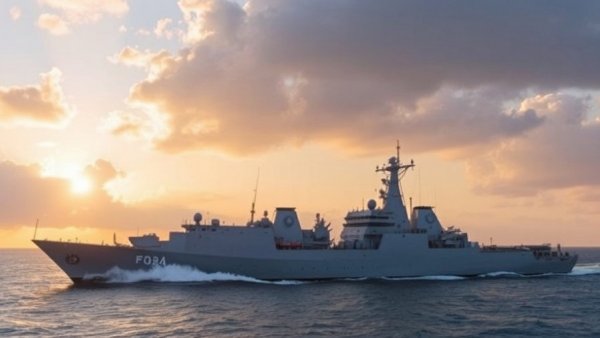
In a bold move to enhance its naval defense capabilities, the French Directorate General of Armaments (DGA) has made a significant commitment to its naval forces. With the order finalized for the upgrade of the Defense and Intervention Frigates (FDI) to accommodate 32 Aster missiles, the French Ministry of Armed Forces is ensuring that the Marine Nationale stays prepared for 21st-century challenges. This expansion from 16 to 32 missiles means more robust air defense capabilities for these cutting-edge frigates, set to be showcased at the prestigious Euronaval 2026 exhibition in Paris.
Understanding the Strategic Importance of the FDI Frigates
The newly upgraded frigates are a key part of France’s strategic defense evolution, designed not only to engage in modern warfare but also to adapt to emerging threats in an increasingly complex maritime landscape. Armed with a potent mix of Aster missiles—both the Aster 15, which specializes in intercepting aircraft and anti-ship missiles, and the longer-range Aster 30, capable of intercepting ballistic threats—these vessels represent a significant leap in naval technology. With their exceptional maneuverability, thanks to the unique control systems found in Aster missiles, the FDI frigates are well-equipped to handle any agile airborne threats they may encounter.
The Technical Backbone: Aster Missile Family
The Aster family of missiles serves as the foundation of European naval air defense. Their integration into various vessels, including the flagship Charles de Gaulle and multiple classes of frigates, highlights the unmatched reputation and reliability of these systems in safeguarding naval operations. The decision to double the missile capacity reinforces France's commitment to maintaining a formidable defense force, particularly as geopolitical tensions increase across the globe.
Impact and Future Forecast: More Than Just Numbers
This upgrade isn't just a numbers game. The strategic implications of operating frigates with enhanced missile capabilities could shift the naval balance of power in key sea areas, particularly in the Mediterranean and beyond. The proactive approach by the French Navy to adapt to changing warfare dynamics reflects a wider trend where nations are prioritizing technological advancements to keep pace with evolving threats. This move not only solidifies France's standing amid NATO allies but also sends a clear message to rival forces.
Grasping the Bigger Picture: International Demand
The FDI frigate program has proved to be a successful export initiative for Naval Group, with countries like Greece and Sweden showing interest in the expanded FDI variants. Greece's Kimon-class frigates were the first to request the 32-missile configuration right from the beginning of the deal, demonstrating a clear demand for robust air defense systems. Similarly, Sweden’s recent procurement of FDI frigates underlines a growing recognition of the necessity for deep magazines and sustained operational capabilities in contemporary maritime defense.
Looking Ahead: Global Naval Landscape
As the world steers into uncertain geopolitical waters, investments in military capabilities like the recent missile system upgrades will play a critical role in shaping national security. Naval Group’s development of a larger and more powerful FDI variant, aimed at international clients, further emphasizes the growing importance of adaptable maritime strategies in defense techniques. With the maritime industry evolving rapidly, both the French Navy and its allies must remain vigilant and ready to adapt to new technologies and tactics.
The addition of Aster missiles to the FDI frigates is just one of several steps to fortify naval defenses amidst changing global threats. As the international dialogue on defense grows, so will the opportunities for nations to collaborate on shared solutions for security challenges.


Write A Comment