
Add Row
Add Element

Add Element
Moss Point Gulf Coast Tech
update

Gulf Coast Tech

update
Add Element
  • Home
  • About
  • Categories
    • Tech News
    • Trending News
    • Tomorrow Tech
    • Disruption
    • Case Study
    • Infographic
    • Insurance
    • Shipbuilding
    • Technology
    • Final Expense
    • Expert Interview
    • Expert Comment
    • Shipyard Employee
  • Mississippio
July 27.2025
3 Minutes Read

Game-Changer for Fleet Owners: Funded Electric Workboats in California!

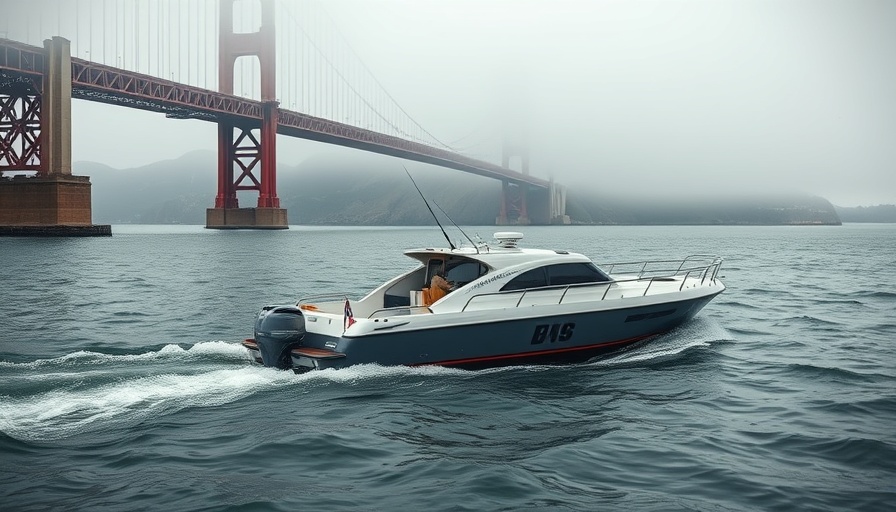
Electric workboat under the Golden Gate Bridge, Funded Electric Workboats California.

Electric Workboats Revolutionizing California's Waters

In a bold move to enhance sustainable maritime operations, Photon Marine and Silverback Marine have entered into a partnership that highlights the increasing role of electric vessels in reducing carbon emissions. Eight new electric workboat configurations have received the green light for funding through California’s Clean Off-Road Equipment (CORE) Voucher Program. With this initiative, commercial fleet operators across California will experience a transformative shift toward environmentally friendly operations.

Innovative Funding Opportunities for Fleet Operators

Starting in August, operators in various fields—including ports, harbor patrol, aquaculture, and more—will be eligible for this funding, which provides up to $400,000 per vessel. This remarkable incentive, part of California’s efforts to combat air pollution, marks a significant step toward making electric boats an economically viable alternative to traditional fuel-powered vessels.

The Power Behind Electric Workboats

At the heart of this initiative is Photon Marine's state-of-the-art zero-emission propulsion system, which delivers 300HP peak performance. Together with Silverback Marine's robust aluminum hull designs, these boats are engineered for rigorous environments. Notably, the configurations showcase models like the Silverback Grizzly for hydrography and the Silverback Sherpa for patrol tasks.

Why Electric Workboats Matter

The increase in electric vessel options is not just a matter of preference; it’s a necessity for combating climate change. As researchers note, the maritime sector is one of the significant contributors to greenhouse gas emissions. By adopting electric workboats, operators can significantly reduce their carbon footprints while also benefiting from lower operational costs. The instant torque and quiet performance of Photon’s electric motors promise to improve workflow efficiency as well.

Opportunities for Small Businesses and Disadvantaged Communities

Moreover, small businesses and operators in disadvantaged communities stand to benefit the most from this initiative. The additional $60,000 incentive for qualifying small businesses can help level the playing field, allowing these companies to access cutting-edge technology that was previously out of reach. The full experience of having access to advanced electric workboats could reshape the industry and the opportunities available for various stakeholders.

A Comprehensive Support System

Alongside the funding, Photon and Silverback are actively offering consultations to help organizations navigate the voucher application process. This commitment to supporting fleet operators ensures that more vessels can be transitioned to electric setups preemptively, maximizing the environmental benefits ahead of the August program launch.

Future Trends in Electric Vessel Adoption

As we look forward, this initiative may mark just the beginning of a broader shift in the maritime industry. Analysts predict growth in the electric vessel market, driven by both policy changes and technological innovations. This paradigm shift is essential for meeting regulatory climate goals and maintaining competitiveness within the maritime sector.

The Bottom Line

With the launch of these funded electric workboats, Photon Marine and Silverback Marine are paving the way for a sustainable future in maritime operations. It represents a significant milestone in the journey towards embracing clean energy alternatives, driving innovation while also contributing to vital environmental goals. Operators are urged to seize this opportunity to enhance their fleets sustainably and effectively.

Stay ahead of the curve—engage with the sustainable maritime movement today!

Trending News

0 Comments

Write A Comment

*
*
Related Posts All Posts
02.20.2026

Exploring the $330M Aker Wayfarer Contract with Petrobras: Impacts on Offshore Industry

Update AKOFS Offshore's Game-Changing Contract with Petrobras In a significant move within the offshore oil and gas industry, AKOFS Offshore has brokered a new contract with Petrobras, marking a pivotal moment for both companies. The $330 million agreement will see the Aker Wayfarer, a state-of-the-art subsea equipment support vessel, continue its operations in Brazil, a region brimming with challenges and opportunities for underwater resource exploitation. What This New Contract Entails The contract duration is set for a substantial four years, with operations slated to commence in September 2027. The Aker Wayfarer, which has been a key player in Petrobras's offshore endeavors since it was first chartered in 2016, is specially designed for deepwater subsea equipment installation and recovery. This vessel is equipped with an advanced 400-ton active heave compensated (AHC) main crane, capable of tackling the most demanding underwater tasks in the industry. Strategic Partnerships Enhance Operational Efficiency AKOFS Offshore will collaborate with Bravante for marine services and Oceaneering for remotely operated vehicle (ROV) support, tapping into their expertise to optimize operational efficiency. Such alliances are crucial in the competitive landscape of offshore oil drilling, where precision and coordination can make or break engagements. The Broader Implications for the Industry This new deal is not merely a transactional agreement; it signals a broader trend within the offshore services sector. As global demand for energy continues to grow, companies like AKOFS Offshore are doubling down on their commitments to innovate and deliver robust solutions in challenging maritime environments. With this contract, AKOFS Offshore strengthens its backlog to approximately $752 million as of January 2026, showcasing its resilience even amid fluctuating market conditions. This financial strength is essential for sustaining growth and responding proactively to future trends. The Future of Offshore Operations Looking ahead, one can't help but ponder the future challenges and opportunities for the offshore industry. As environmental regulations grow stricter and technological advancements emerge, companies must adapt or risk falling behind. The collaboration between AKOFS Offshore and Petrobras stands as a testament to the industry's ongoing evolution, where partnership and innovation are key. Insights from industry experts suggest that maintaining key partnerships and investing in advanced technical solutions will position firms favorably in a rapidly changing market landscape. The expected operational timeline following the current contract undoubtedly reflects the strategic foresight both companies have regarding future oil and gas resource management. Key Takeaway: Why This Matters The partnership between AKOFS Offshore and Petrobras exemplifies the drive toward enhanced capabilities in offshore operations. For those invested in the maritime and energy sectors, understanding these dynamics is crucial. As the industry continues to face challenges, companies that leverage strategic partnerships and innovative solutions will be at the forefront of growth. Getting accustomed to these shifts could be beneficial for stakeholders, investors, and even the broader public interested in the future of energy and maritime operations.

02.19.2026

Navigating New Waters: IMO's Biofouling Regulation Could Change Everything

Update Shaping International Regulations for Our Oceans The International Maritime Organization (IMO) is making waves in its efforts to protect marine ecosystems from invasive aquatic species. The recent meeting of the Pollution Prevention and Response Sub-Committee, known as PPR 13, marked a crucial step toward establishing a legally binding framework on biofouling management. With a focus on preventive measures against the spread of invasive species, the groundwork laid during this session indicates a more robust international approach to safeguarding our oceans. Understanding Biofouling and Its Consequences Biofouling refers to the undesirable accumulation of microorganisms, plants, and animals on submerged structures, particularly ships’ hulls. This phenomenon not only jeopardizes maritime operations but serves as a major vector for introducing invasive aquatic species into new environments. As trade volumes rise, so does the risk of biofouling contributing to biodiversity loss and environmental degradation. If left unchecked, invasive species can dominate native flora and fauna, causing profound ecological shifts. A Commitment to Reducing Marine Plastic Pollution PPR 13 also saw the approval of the draft 2026 Strategy to Address Marine Plastic Litter from Ships, presenting a simultaneous tackle on yet another significant maritime threat. By aiming to achieve zero plastic waste discharges from ships by 2030, the strategy emphasizes public awareness, international cooperation, and capacity-building efforts. This strategy is a strong signal that marine pollution in all forms is taken seriously, shifting from voluntary to mandatory frameworks. What Comes Next? A Look Towards Future Regulations With the PPR Sub-Committee establishing a new correspondence group, there are significant expectations directed toward MEPC 84 in April 2026. A legally binding framework will not only clarify guidelines but requires effective implementation of practices to manage biofouling, potentially transforming how we view compliance in the maritime industry. Innovative Solutions to Age-Old Problems The discussions around developing a new code for the safe transportation of plastic pellets further amplify the emphasis on regulating pollutants that could impact ocean health. These initiatives demonstrate how regulation is evolving in tandem with innovative ship designs and technologies, ensuring that maritime industries not only comply but thrive sustainably. The call for innovative approaches in ship maintenance and design is vital to meet these environmental standards while remaining profitable. Collaborative Efforts for Lasting Impact The fight against biofouling and marine pollution is not a solitary endeavor; it involves collaboration between governments, NGOs, and the shipping industry. Countries and organizations must take a unified stand to mitigate the effects of invasive species and pollutants, and the initiatives by the IMO are paving the way for such a coalition. This collective focus is crucial in ensuring that environmental health and economic viability co-exist. Take Action: Advocate for Our Oceans As our oceans face unprecedented threats from human activities, awareness and action are more important than ever. Join the conversation on marine preservation and advocate for legislation that prioritizes our ocean health. It is up to all of us to hold ourselves accountable and create a sustainable future for the maritime ecosystem.

02.18.2026

How In-Mar's Product Expansion Supports U.S. Navy Strategy Amid Global Competition

Update In-Mar Expands Product Portfolio for the U.S. Navy In a bold move reflecting the evolving landscape of maritime operations, Louisiana-based In-Mar Systems and In-Mar Solutions are stepping up to provide enhanced support for the U.S. Navy by broadening their product lines. This expansion comes at a pivotal moment where modern naval capabilities are increasingly critical in the face of global challenges, particularly regarding the rise of strategic competition with nations like China. The Product Lines Addressing Critical Naval Needs Among their core offerings, In-Mar specializes in essential marine equipment, such as marine off-board fire fighting systems from Fire Fighting Systems (FFS) and heavy-duty window wiper and wash systems by Wyn Marine and B. Hepworth. These products ensure vital ship safety, facilitating damage control and enhancing visibility during operations. “Reliability at sea is non-negotiable,” said Glynn Grantham, President at In-Mar Systems. His emphasis on quality highlights a commitment not only to the Navy but also to the broader maritime industrial base, which is a lifeline for ensuring effective naval engagement in challenging environments. Enhancing Crew Comfort and Operational Efficiency A noteworthy aspect of In-Mar’s expansion is its venture into innovative areas such as helm chairs and marine window shades. Crafted with ergonomics in mind, the helm seating solutions are designed for long operational watches, helping to reduce crew fatigue, while the marine window shades aim to mitigate glare and control light exposure during critical navigation. This focus on human-factors engineering recognizes that modern ship design prioritizes not just functionality but also the comfort and efficiency of the officers operating on the bridge. As Grantham stated, “These additions reflect a broader approach to shipboard outfitting thereby supporting both system performance and crew effectiveness.” Challenges and Opportunities in the U.S. Shipbuilding Sector The recent expansion in product lines also underscores the increasing demands on the U.S. shipbuilding sector. Policymakers and defense leaders are actively discussing how to enhance naval construction capacity, especially as the need for advanced maritime solutions grows. The focus on enhancing military readiness amid escalating global tensions indicates the urgency and necessity of aligning industry capabilities with defense strategies. A separate but related initiative comes from Blue Water Autonomy, which is introducing the Liberty Class, an autonomous 190-foot ship capable of operating over 10,000 nautical miles. As the Navy seeks to complement traditional crewed vessels with unmanned counterparts, industry players like In-Mar and Blue Water are imperative to meet these shifting demands. Conclusion: Shaping the Future of Naval Readiness The commitment shown by In-Mar to expand their offerings directly impacts the Navy’s ability to adapt and thrive in modern maritime conditions. With advanced equipment and an eye towards human-centric design, In-Mar is not only supporting contemporary naval operations but is also paving the way for innovations that will define the future of military engagements at sea.

Terms of Service

Privacy Policy

Core Modal Title

Sorry, no results found

You Might Find These Articles Interesting

T
Please Check Your Email
We Will Be Following Up Shortly
*
*
*