

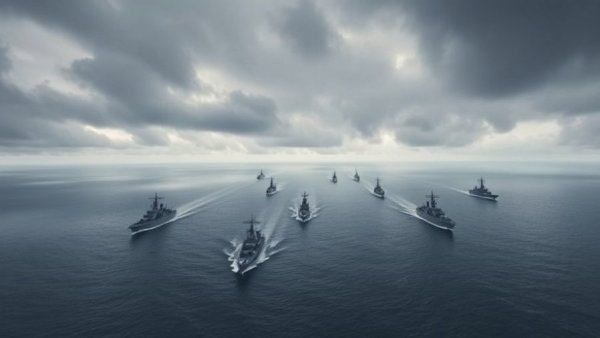
Exploring the New Partnership for Anti-Submarine Warfare
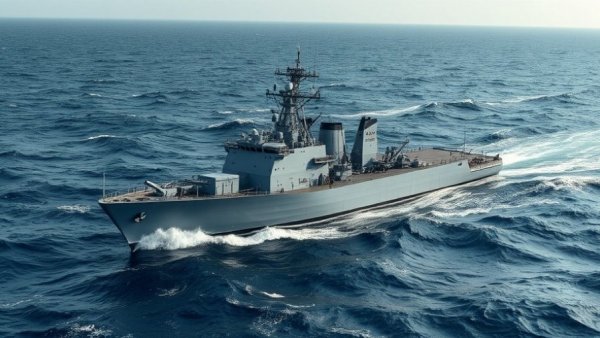
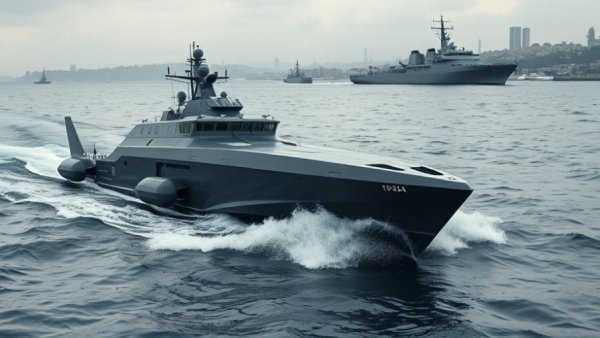
Thales and Kongsberg have joined forces in a significant memorandum of understanding (MoU) to develop cutting-edge anti-submarine warfare (ASW) capabilities for the UK Royal Navy's future Uncrewed Surface Vessel (USV), the Type 92. This collaboration is vital for enhancing the navy's operational strategies within the North Atlantic, especially with the growing emphasis on a 'hybrid navy', integrating both crewed and uncrewed assets. The Type 92 USV represents a forward-thinking approach to modern naval challenges, emphasizing the need for adaptable and innovative solutions to ensure maritime security.
The ‘Atlantic Bastion’ Initiative: A Game-Changer for Naval Operations
The Type 92 USV is pivotal to the Royal Navy's 'Atlantic Bastion' initiative, which aims to fortify underwater operational capabilities. This initiative is a crucial component of the broader ‘Atlantic Fleet’ strategy designed to bolster national and NATO defense requirements in the North Atlantic region. The Atlantic Bastion concept emphasizes not just detection, but also deterrence and defense, addressing the evolving threats posed by increasingly sophisticated submarines. As the threats in this area evolve, understanding the capabilities afforded by the new partnership can provide insights into future naval security operations, particularly as nations invest in advanced submarine technologies.
Innovation at the Helm: Integrating Technology and Autonomy
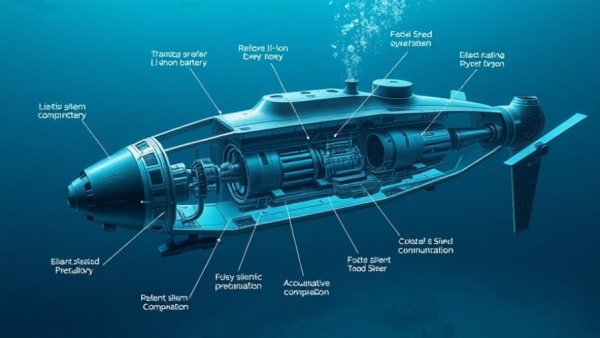
Thales aims to leverage its advanced sonar technology and artificial intelligence (AI) capabilities, while Kongsberg’s Arctic Hunter USV platform will enhance rapid deployment and integration within hybrid fleets. This partnership is particularly significant given the competitive nature of modern maritime environments. By combining these technological advancements, both companies are well-positioned to meet the operational requirements outlined by the Royal Navy. Additionally, the integration of AI-led enhancements not only improves sensing capabilities but also enables more effective tactical planning and communication between assets.
Future Trends in Naval Warfare: A Shift Towards Hybrid Solutions
The development of ASW capabilities within the Type 92 reflects a broader shift in naval warfare towards hybrid solutions. The integration of crewed and uncrewed vessels allows for a more flexible and responsive naval force, capable of addressing a variety of underwater threats. These advancements not only aim to improve submarine detection but also augment the existing multi-asset ASW infrastructure. The Royal Navy seeks a competitive edge against maritime threats, and these hybrid approaches provide a pathway to achieve that goal well into the future.
Why This Partnership Matters: Implications for Security
As underscored by Phil Siveter, Thales UK CEO, the efficiency of communication and information sharing among platforms will define the future of naval operations. The partnership between Thales and Kongsberg has implications that reach beyond immediate military applications, highlighting the sophistication required in modern defense strategies. With global maritime trade routes becoming increasingly contested, a robust naval defense is essential for ensuring both national interests and broader global security against emerging threats in the undersea domain.
Real-Life Impact: Regional Security and Global Defense
The Arctic Hunter is designed to operate from a support base within the Arctic Circle, showcasing the targeted efforts in enhancing regional security. The operational readiness of this platform is particularly crucial considering the strategic importance of the North Atlantic region and its proximity to several key geopolitical hotspots. Moreover, the expected role of the USV in providing persistent sensing capabilities emphasizes a proactive approach to maritime safety, both for the UK and for NATO allies, reflecting a shared commitment to stability in the face of evolving security challenges.
Wrapping Up: Why Invest in Knowledge and Understanding
With the Royal Navy adapting to new forms of threats and operational needs, understanding the implications of such partnerships is crucial. The increasing focus on hybrid naval solutions necessitates a thorough comprehension of their benefits, challenges, and potential for regional and global security. As the landscape of naval warfare continues to evolve, readers, particularly those with interests in defense and technology, should keep a pulse on these developments. Each innovation has the potential to shift the dynamics of military capabilities significantly and could redefine security paradigms in the maritime realm.
The collaboration between Thales and Kongsberg not only exemplifies a response to contemporary defense needs but also serves as a reminder of the importance of innovation in addressing complex security environments. Stakeholders, policymakers, and the public alike should remain informed about these advancements, as they may very well shape the future of naval power and security strategies worldwide.

Write A Comment