

The Future of Naval Warfare: What the UCUV Means for the French Navy
The French Navy is set to embark on a transformative journey towards modern warfare with the development of the Unmanned Combat Underwater Vehicle (UCUV) demonstrator by Naval Group. Signed during the Euronaval 2026 conference, this contract marks a crucial step in enhancing naval capabilities, shifting from preliminary technology studies to construction phase. Sea trials are projected to commence in 2028, allowing the French Navy to evaluate the vehicle's performance and potential missions at sea.
Technological Advancements and Capabilities of the UCUV
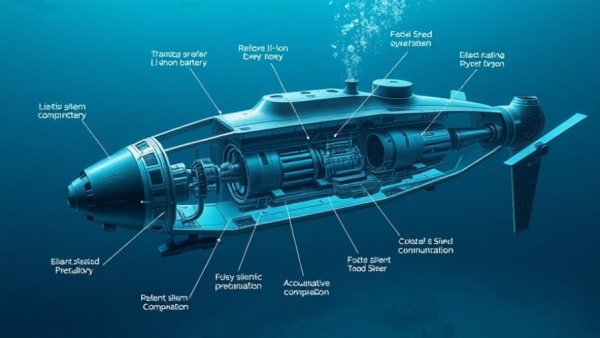
The UCUV is being designed with advanced technology that enables its use for multiple roles, including intelligence gathering, offensive and defensive operations. While the specific capabilities and specifications of the vehicle are still under wraps, a Naval Group representative indicated that the UCUV will measure over ten meters in length, featuring design modifications informed by prior studies. Such innovations are part of a broader ambition to ensure that the French Navy competently competes with international maritime forces.
Autonomous Decision-Making: A Game Changer for Underwater Missions
At the heart of the UCUV’s operational prowess will be Naval Group’s Steeris OnBoard system. This autonomous decision-making tool will allow the UCUV to conduct long missions under human supervision, adapting smoothly to altered conditions or potential equipment failures, especially critical when underwater where communication can be tenuous. Observations obtained during the trials in 2028 will help fine-tune these functionalities.
Designing for Future Operations: Power and Payloads
The adaptability of the UCUV is evidenced in its open architecture, designed for swift integration of equipment and software from various industrial partners. This feature ensures that the vehicle can be updated and customized to meet changing operational demands. Additionally, while the exact weapon systems remain under consideration, decisions on this front will directly influence the drone's endurance and functionality, highlighting the importance of strategic planning in naval combat operations.
Global Context: The Growing Need for Advanced Maritime Security
The creation of the UCUV aligns with rising global concerns surrounding undersea activities, as many nations pursue capabilities that could potentially disrupt maritime order. The AID recognizes the importance of establishing a robust response to these threats, ensuring that France remains a formidable presence in international waters. With an increasing number of nations deploying sophisticated underwater drones, the UCUV’s development is reflective of a broader shift towards unmanned systems in modern military strategy.
Looking Ahead: What’s Next for the UCUV?
The upcoming sea trials will be a keystone in determining not only the feasibility of the UCUV but also how it can synergize with existing naval forces. As underwater drones gain popularity among world navies, the insights garnered will position the French Navy to adapt more robustly to undersea combat dynamics. The industrial team necessary for this innovation remains undisclosed, raising curiosity about the partnerships that will form the backbone of this program.
As we look towards 2028, one thing is clear: the future of naval warfare is undergoing significant advancement, and the UCUV represents the cutting edge of what lies ahead.

Write A Comment