

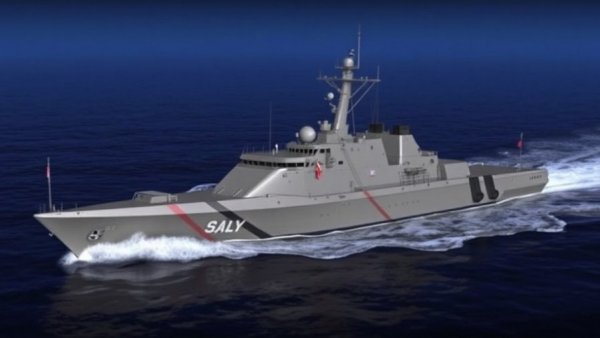
The Tracus: A Next-Gen Surface Drone
Unveiled at Euronaval 2026 in Paris, the Tracus represents a significant leap forward in naval warfare technology. Developed through the strategic cooperation between SeaOwl and KNDS, this kamikaze Uncrewed Surface Vessel (USV) redefines how militaries can address asymmetric threats at sea. The Tracus is equipped with a lethal 30kg warhead designed to counter high-value targets, including frigates, emphasizing the importance of technological advancements in modern warfare.
A Game-Changer in Naval Operations
The Tracus was originally conceived as a training tool for the French Navy but has been transformed into a fully operational weapon system capable of executing both offensive and defensive missions. Its ability to swiftly deploy from ships adds a new dimension to naval tactics. The patented launching system ensures quick activation—able to launch from a height of up to 7 meters—allowing for seamless integration with various surface combatants.
Warhead Design: Precision and Power
The heart of the Tracus system lies in its specialized warhead, developed by KNDS, which employs advanced technology to ensure accuracy and lethality. The warhead is designed to penetrate thick steel plating, creating a significant breach upon detonation. This capability is critical when engaging larger vessels, as it can effectively flood and sink a target, showcasing the evolving dynamics of naval combat where speed and precision are crucial.
Defensive Measures Against Asymmetric Threats
In addition to its offensive capabilities, the Tracus is equipped to handle incoming threats posed by swarm tactics, often employed by smaller drones and vessels. The integrated defensive blasts can neutralize multiple attackers, thus providing an essential layer of protection for larger naval assets. This dual functionality positions the Tracus as a versatile tool in the complex landscape of marine warfare, where threats can arise unpredictably.
Enhancing Autonomy and Human Control
One notable feature of the Tracus is its high level of autonomy, which allows it to navigate contested waters effectively. However, it incorporates a strict human-in-the-loop control system to ensure that final engagement decisions remain with a remote operator. This approach fosters reliability and safety, allowing for mission abort options if necessary, enhancing the operator's confidence while utilizing the drone in live combat scenarios.
Shaping the Future of Naval Warfare
The introduction of the Tracus is a reflection of ongoing trends in military technology, emphasizing speed, precision, and adaptability under pressure. As maritime threats evolve, so too must the systems designed to counter them. The Tracus stands at the forefront of this evolution, setting a precedent for how future naval engagements may unfold.
What This Means for Future Maritime Conflicts
The development of the Tracus highlights a shift toward more advanced unmanned systems in naval warfare. As these technologies become more integrated, they may redefine naval strategies and present new ethical considerations regarding autonomous militarization. Stakeholders must remain vigilant as these advancements unfold, ensuring that international laws governing warfare keep pace with technological progress to prevent potential misuse.
Conclusion: Navigating Tomorrow's Challenges
As the world increasingly faces asymmetric threats at sea, innovations like the Tracus kamikaze USV will play crucial roles in safeguarding maritime interests. With its unique capabilities, the Tracus not only enhances offensive and defensive operations but also poses essential questions on the ethics and management of autonomous warfare systems. The coming years will prove critical as nations adapt to these emerging technologies.

Write A Comment