

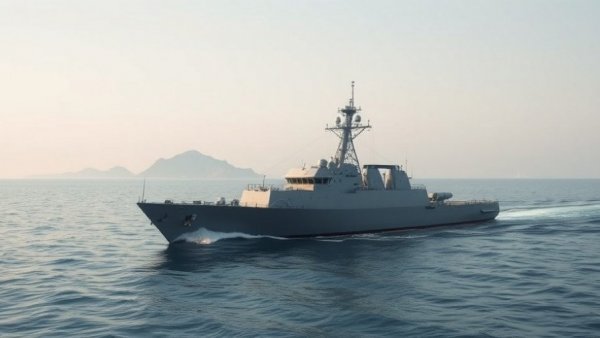
The Future of Malaysian Naval Defense: What the ATMACA Means
In a significant shift for the Royal Malaysian Navy, the choice of Roketsan's ATMACA as the preferred missile system signals a new direction for Malaysia's defense capabilities. Turkish-developed ATMACA, known for its modern technology and cost-effectiveness, poses not only a replacement for the previously favored Naval Strike Missile (NSM) but also presents a set of integration challenges with existing systems on Malaysian Littoral Combat Ships (LCS).
Understanding the ATMACA: Turkey’s Technological Edge
The ATMACA is an anti-ship missile notable for its performance specifications, which have already been validated through its service in the Turkish Navy. According to reports, Defense Minister Datuk Seri Mohamed Khaled Nordin highlighted its advantages over French and Italian alternatives, particularly regarding budget and delivery timelines. Given the complexity of naval equipment and geopolitical relations, Malaysia's choice reflects a strategic alignment with Turkey amidst a backdrop of fluctuating global supply chains. Several military analysts feel that this decision embodies a broader trend of countries seeking to diversify their defense partnerships in order to mitigate risks posed by reliance on a limited number of suppliers.
Navigating the Technical Integration Challenges
While the decision to select the ATMACA is promising, the integration of this missile into Malaysia's LCS presents notable hurdles. Reports indicate that discussions regarding the coordination of the Turkish missile system with the French SETIS combat management system are ongoing and may demand the setup of a standalone console. Former Turkish Navy officer Tayfun Ozberk noted that the complexity of combining the ATMACA with French systems could require substantial technical negotiations and could impact timeline expectations for operational readiness.
Implications for Regional Defense Posture
The announcement is timely as it responds to regional security dynamics in the Asia-Pacific area. The ability of the Malaysian Navy to effectively deploy the ATMACA could bolster its maritime presence and enhance deterrent capabilities amid evolving threats from regional powers. Moreover, with Malaysia still wrestling with supply and project delays associated with existing systems, the procurement of a modern missile solution is seen as a crucial step in enhancing national defense integrity.
Sustainability of Defense Innovation: Cost Considerations
The financial implications of adopting the ATMACA extend beyond mere acquisition costs. As outlined by Khaled, Malaysia benefits from prior orders made for the Operational Mission Ship Batch 2 program, reducing expenses associated with adopting a completely new missile system. This financially prudent approach suggests a more sustainable model of defense procurement which could serve as a blueprint for other nations facing similar fiscal pressures.
Broader Geopolitical Context of Defense Decisions
The integration of Turkish arms into Malaysia's military framework signifies a shift in the geopolitical landscape, revealing deeper defense ties with Türkiye. As Malaysia's own defense procurement strategy evolves, regional dynamics are also reshaping. The establishment of a dispute resolution committee with Norway over the NSM block reflects not just economic factors but a broader reconsideration of defense alliances. These developments echo concerns among Southeast Asian nations regarding dependency on select military suppliers, creating an impetus to explore diversified sources of arms procurement.
The transition to ATMACA marks a robust move towards operational adaptability. As the Royal Malaysian Navy looks to finalize the procurement and integration process, anticipation builds regarding the overall enhancement of regional maritime security. Nevertheless, the complexities inherent in the integration process coupled with Malaysia's broader defense strategy will dictate the ultimate success of this initiative.



Write A Comment