

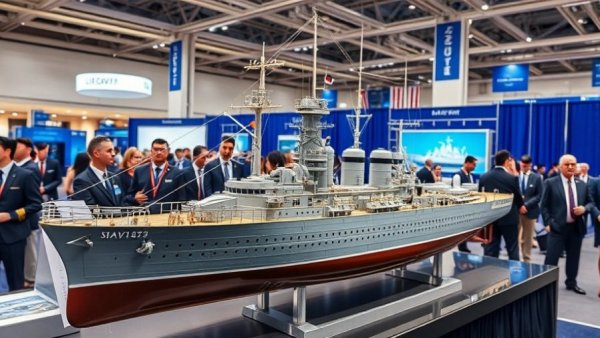
The Emergence of the SCX 26: Redefining Naval Warfare
At the forefront of technological innovation in naval warfare, French shipbuilder Naval Group unveiled its latest conceptual design at Euronaval 2026, the SCX 26. This new 'Hybrid Fleet' drone mothership represents a significant shift in how we think about naval combat, offering a powerful blend of traditional weaponry and advanced drone capabilities.
A New Vision for the Future of Naval Operations
The SCX 26, standing for "Surface Combatant Xperimental," is not yet a production-ready design but rather a vision of what future naval combatants could resemble. This surface warship is aimed at providing unmatched versatility and firepower, relying heavily on unmanned systems along with traditional munitions. This hybrid approach to warfare has garnered attention, especially as navies around the globe look to integrate more cost-effective and flexible solutions into their fleets. It aligns with the growing emphasis on hybrid naval strategies, seen prominently in the UK’s naval modernization plans.
Technical Specifications that Impress
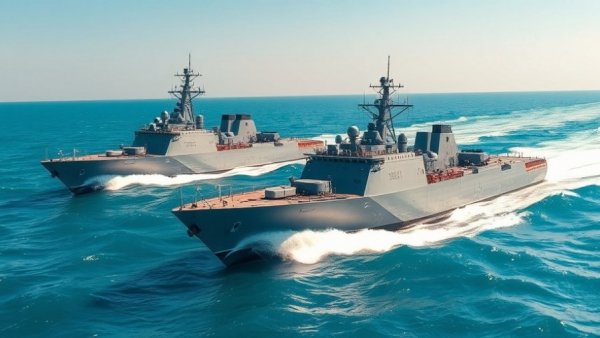
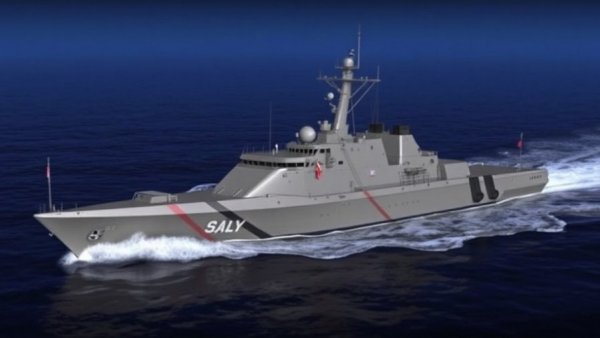
The SCX 26 is an ambitious design that measures 170 meters in length with a displacement of 8,000 tons, making it a formidable presence on the water. Its design integrates a stealthy hull and a two-island superstructure that accommodates an array of high-tech sensor systems and robust armaments. Importantly, the warship is designed to carry up to 100 mission specialists in addition to its core crew of 150 sailors, reflecting a modern understanding of crew operations in conjunction with autonomous technology.
Powered by a sophisticated CODLAG arrangement, the SCX 26 can reach impressive speeds, enhancing its operational capabilities in various maritime scenarios. The vessel’s propulsion system, in combination with its stealth features, positions it well for missions requiring discretion without sacrificing performance.
Heavy Armament for Modern Threats
One of the most striking features of the SCX 26 is its extensive armament. Equipped with 96 vertical launch system (VLS) cells for missiles, the warship is primed to take on multiple threats and roles, from air defense to surface engagement. The integration of both energy and projectile weapons serves to deepen its combat capabilities, emphasizing the research and development behind its design.
This multi-role functionality also responds to contemporary strategic challenges that navies face today, driving the need for vessels that can adapt quickly and enhance maritime security through advanced weapon systems.
The Broader Context: Hybrid Fleets in Naval Strategy
As seen in the SCX 26's design, the concept of hybrid fleets is becoming increasingly important. The UK’s emphasis on a "Hybrid Navy" illustrates a move towards uncrewed surface vessels (USVs) and unmanned underwater vehicles (UUVs) that can work in tandem with traditional crewed vessels to create a more flexible operational force. This paradigm shift suggests that future naval engagements may rely more on these advanced systems rather than sheer numbers of traditional ships.
Naval Group’s SCX 26 aims to bridge this gap by ensuring that heavily armed surface combatants can still operate alongside these new technological paradigms, combining strength with strategic adaptability—a crucial requirement in evolving conflict scenarios.
A Future-Ready Design
The SCX 26’s design represents not just a solitary leap in naval architecture but rather a comprehensive vision that anticipates future naval warfare's evolving demands. By investing in concepts like this, Naval Group is positioning itself and its naval partners at the forefront of modern maritime strategies.
This forward-thinking approach also has implications beyond military capabilities; it influences global defense strategies and procurement processes as nations assess their maritime needs for the decades to come.
Conclusion: Embracing Innovations for a Secure Tomorrow
As nations upgrade their fleets and rethink naval strategies, concepts like Naval Group’s SCX 26 signify a transformative moment in defense technology. Its focus on adaptability, advanced weaponry, and unmanned systems underlines the direction modern naval warfare is headed. Understanding these developments is vital for both industry stakeholders and the general public as we move toward a more complex maritime future.
Stay informed about these advancements and consider how they might impact not only defense strategies but also broader technological innovations in our everyday lives.


Write A Comment