Moss Point Gulf Coast Tech

Gulf Coast Tech

  • Home
  • About
  • Categories
    • Tech News
    • Trending News
    • Tomorrow Tech
    • Disruption
    • Case Study
    • Infographic
    • Insurance
    • Shipbuilding
    • Technology
    • Final Expense
    • Expert Interview
    • Expert Comment
    • Shipyard Employee
  • Mississippio
November 13.2026
3 Minutes Read

The French Navy's Reasoned Hybrid Fleet: Balancing Tradition and Innovation

Beyond the Hype: French Navy Chief Advocates for a ‘Reasoned’ Hybrid Fleet

Balancing Technology and Tradition in Naval Warfare

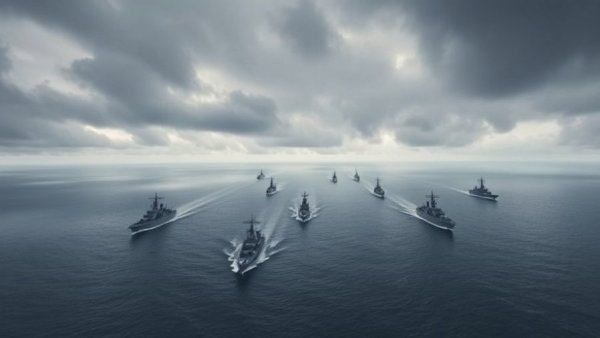
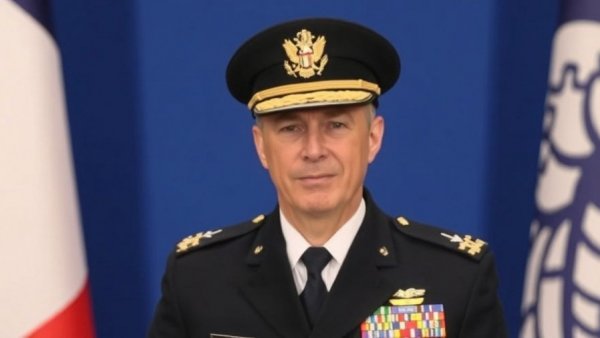
The French Navy's recent approach to hybridization represents a significant shift in how naval forces integrate modern technology with traditional naval capabilities. Admiral Christophe Cluzel's vision underscores the desire to maintain a balanced fleet that prioritizes human-operated vessels while augmenting them with uncrewed systems. This method contrasts sharply with trends seen in many other nations, where the move toward smaller, unmanned vessels often compromises the size and strength of traditional ships, potentially jeopardizing overall naval power.

Understanding the ‘Reasoned Hybrid Fleet’ Doctrine

The 'reasoned hybrid fleet' concept emphasizes that unmanned systems are introduced to complement rather than replace capital ships. The integration of maritime drones aims to enhance capacity in three critical areas: tactical depth, self-defense, and offensive lethality. These elements allow the French Navy to extend their reach, improve response times, and bolster overall combat effectiveness in a landscape where emerging threats are omnipresent. By addressing these areas, the French Navy not only positions itself to counter contemporary threats but also creates a more responsive and adaptable force for future conflicts.

Lessons from Recent Operations

Recent global conflicts have revealed the complexities of modern naval warfare. With threats including suicide drones and hypersonic missiles becoming more prevalent, lessons learned in theaters such as the Red Sea have significantly influenced Admiral Cluzel's strategic outlook. The Polaris exercises, part of the French Navy’s training regimen, have honed skills against these high-intensity threats, ensuring that sailors are prepared for challenging maritime environments. Operational experiences have underscored the importance of adaptable tactics and strategies, proving that preparedness is just as vital as advanced technology in maintaining naval dominance.

The Challenge of Evolving Threats

The maritime space has become increasingly contested, which prompts the need for a more sophisticated naval strategy. Nations must now contend with advanced weaponry that can change the balance of power in moments. To address these challenges, the French Navy is committed to ensuring that traditional vessels remain in service, alongside innovative unmanned systems. This innovative approach not only enhances immediate defensive capabilities but also strengthens deterrence, which is critical for protecting national interests.

Future Trends in Naval Strategy

As naval forces globally adapt to the realities of modern warfare, the French Navy's cautious yet decisive approach may serve as a blueprint for other nations. The focus on retaining core power-projection assets, such as aircraft carriers and submarines, highlights a broader trend toward maintaining a robust presence at sea. While emerging technologies like unmanned vessels and drones attract attention for their potential, ensuring the presence of large surface combatants remains crucial for maintaining maritime superiority. This dual-pronged strategy can ultimately foster a more resilient naval force, capable of meeting diverse threats.

Tools and Techniques for the Future

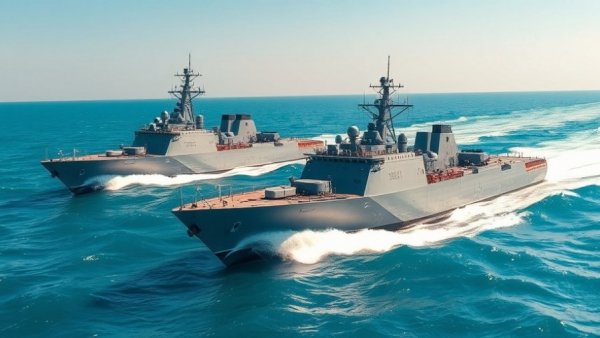
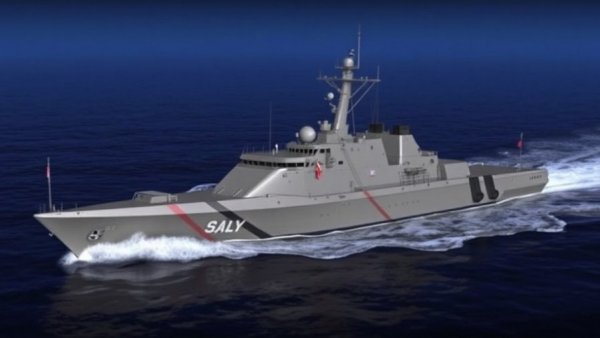
The SCX26 concept ship, which exemplifies the vision of a hybrid naval environment, is central to the discussions at Euronaval 2026. This vessel represents the marriage of traditional naval combatants with new technologies aimed at enhancing operational capabilities. The SCX26 is not only a testament to French innovation but also an essential part of the country's strategy to ensure future maritime security. Such tools not only provide flexibility in engagements but also emphasize the indispensable role of human decision-making in maritime operations. Investing in both human resources and advanced technology will be crucial for navigating the complex maritime terrain of tomorrow.

Building Alliances and Interoperability

In addition to enhancing its own fleet, the French Navy recognizes the importance of fostering international alliances and interoperability with other navies. By participating in events like Euronaval 2026, leaders like Admiral Cluzel are able to discuss and align operational needs with potential partners in the field. This focus on collaboration brings together various naval forces to explore harmonized strategies that could bolster regional and global maritime security. The discussions surrounding hybrid fleets are not just about competition; they also emphasize the value of shared knowledge for tackling mutual challenges.

Conclusion: The Call for a Thoughtful Approach to Naval Warfare

As the French Navy takes strides in pioneering its hybrid fleet doctrine, it invites other nations to reassess their strategies in maritime power. This thoughtful blend of technology and human expertise holds promise for the future of naval operations in a world where security challenges are increasingly complex. By balancing innovation with tradition, the French Navy aims not only to secure its own interests but also to contribute positively to international maritime stability in an ever-evolving naval landscape.
Tech News

0 Comments

Write A Comment

*
*
Please complete the captcha to submit your comment.
Related Posts All Posts
11.13.2026

Turkey and Egypt's Joint Naval Shipbuilding Projects: What This Means For Regional Security

Update Turkey and Egypt's Joint Naval Ambitions Turkey and Egypt recently ignited interest in collaborative military capabilities, particularly in naval shipbuilding, during the Sea of Friendship 2026 exercise held in Alexandria. This venture marks a pivotal evolution in their military relationship, influenced by regional dynamics in the Eastern Mediterranean. Building Stronger Naval Ties Adm. Ercüment Tatlıoğlu, the Turkish naval commander, indicated significant progress towards enhancing regional cooperation by announcing plans for joint shipbuilding initiatives with Egypt. During the recent naval exercises, previous rivalries gave way to partnership discussions, showcasing both nations' intent to collaborate closely in defense. The discussions centered around leveraging Egypt’s shipbuilding capacity in conjunction with Turkey’s burgeoning naval technology, particularly the successes seen from the MILGEM Project. This initiative, which has previously seen Turkey build advanced naval platforms like the Ada-class corvettes and frigates, could set a new standard for defense collaboration in the region. Navigating Challenging Seas This month’s naval exercise was characterized as well-organized, despite difficult sea conditions—a testament to the respective navies' resilience and adaptability. The ability to conduct joint training and operations, such as ship boarding drills, hints at a future where these naval forces might work in unison, reflecting a shift in regional defense posture. Vice Adm. Mahmoud Adel Fawzy from Egypt echoed this sentiment, emphasizing their preparedness to operate shoulder to shoulder in future missions. Such ambitions represent not merely military cooperation but a strategic redefining of maritime assertions in a geopolitically fraught area. Strategic Implications of the Turkey-Libya Maritime Agreement Compounding these developments is the recent ratification of a Turkey-Libya maritime jurisdiction agreement by Libya’s House of Representatives. This agreement, originally established in 2019, significantly impacts the geopolitical landscape, granting Turkey protections for its maritime jurisdiction while enabling Libya to assert its own rights in the Eastern Mediterranean. This has drawn criticism from Greece, which believes the agreement undermines its maritime claims, particularly due to its perceived encroachment on waters claimed by Greek islands. Thus, while Turkey seeks to bolster its influence through partnerships with Egypt and Libya, such moves invite challenges from other regional players. Future of Defense Collaboration in the Eastern Mediterranean The alliance between Turkey and Egypt in naval shipbuilding is indicative of a broader trend towards increased military cooperation driven by mutual interests. Nations are recognizing that shared security in contested regions can enhance regional stability. As navies evolve to integrate cutting-edge technologies, such as autonomous systems highlighted during their recent exercises, the future of defense collaboration is ripe with potential. Both Turkey and Egypt stand to gain significantly should they realize the proposed joint shipbuilding projects, opening pathways for shared resources, knowledge transfer, and potentially stronger positions in the face of geopolitical adversities. As these collaborative discussions unfold, regional dynamics will likely continue to shift, requiring close attention from global powers. Concluding Thoughts Turkey and Egypt's exploration of joint naval projects is not just a military strategy; it represents an essential step towards diplomacy in the highly geopolitically charged Eastern Mediterranean. Understanding the implications of such partnerships will help observers gauge the balance of power and the nature of international relations in this critical region.

11.12.2026

Understanding the Tracus Kamikaze USV: A New Era in Naval Warfare

Update The Tracus: A Next-Gen Surface Drone Unveiled at Euronaval 2026 in Paris, the Tracus represents a significant leap forward in naval warfare technology. Developed through the strategic cooperation between SeaOwl and KNDS, this kamikaze Uncrewed Surface Vessel (USV) redefines how militaries can address asymmetric threats at sea. The Tracus is equipped with a lethal 30kg warhead designed to counter high-value targets, including frigates, emphasizing the importance of technological advancements in modern warfare. A Game-Changer in Naval Operations The Tracus was originally conceived as a training tool for the French Navy but has been transformed into a fully operational weapon system capable of executing both offensive and defensive missions. Its ability to swiftly deploy from ships adds a new dimension to naval tactics. The patented launching system ensures quick activation—able to launch from a height of up to 7 meters—allowing for seamless integration with various surface combatants. Warhead Design: Precision and Power The heart of the Tracus system lies in its specialized warhead, developed by KNDS, which employs advanced technology to ensure accuracy and lethality. The warhead is designed to penetrate thick steel plating, creating a significant breach upon detonation. This capability is critical when engaging larger vessels, as it can effectively flood and sink a target, showcasing the evolving dynamics of naval combat where speed and precision are crucial. Defensive Measures Against Asymmetric Threats In addition to its offensive capabilities, the Tracus is equipped to handle incoming threats posed by swarm tactics, often employed by smaller drones and vessels. The integrated defensive blasts can neutralize multiple attackers, thus providing an essential layer of protection for larger naval assets. This dual functionality positions the Tracus as a versatile tool in the complex landscape of marine warfare, where threats can arise unpredictably. Enhancing Autonomy and Human Control One notable feature of the Tracus is its high level of autonomy, which allows it to navigate contested waters effectively. However, it incorporates a strict human-in-the-loop control system to ensure that final engagement decisions remain with a remote operator. This approach fosters reliability and safety, allowing for mission abort options if necessary, enhancing the operator's confidence while utilizing the drone in live combat scenarios. Shaping the Future of Naval Warfare The introduction of the Tracus is a reflection of ongoing trends in military technology, emphasizing speed, precision, and adaptability under pressure. As maritime threats evolve, so too must the systems designed to counter them. The Tracus stands at the forefront of this evolution, setting a precedent for how future naval engagements may unfold. What This Means for Future Maritime Conflicts The development of the Tracus highlights a shift toward more advanced unmanned systems in naval warfare. As these technologies become more integrated, they may redefine naval strategies and present new ethical considerations regarding autonomous militarization. Stakeholders must remain vigilant as these advancements unfold, ensuring that international laws governing warfare keep pace with technological progress to prevent potential misuse. Conclusion: Navigating Tomorrow's Challenges As the world increasingly faces asymmetric threats at sea, innovations like the Tracus kamikaze USV will play crucial roles in safeguarding maritime interests. With its unique capabilities, the Tracus not only enhances offensive and defensive operations but also poses essential questions on the ethics and management of autonomous warfare systems. The coming years will prove critical as nations adapt to these emerging technologies.

11.11.2026

Thales and Kongsberg Develop Advanced ASW for UK Type 92 USV

Update Exploring the New Partnership for Anti-Submarine Warfare Thales and Kongsberg have joined forces in a significant memorandum of understanding (MoU) to develop cutting-edge anti-submarine warfare (ASW) capabilities for the UK Royal Navy's future Uncrewed Surface Vessel (USV), the Type 92. This collaboration is vital for enhancing the navy's operational strategies within the North Atlantic, especially with the growing emphasis on a 'hybrid navy', integrating both crewed and uncrewed assets. The Type 92 USV represents a forward-thinking approach to modern naval challenges, emphasizing the need for adaptable and innovative solutions to ensure maritime security. The ‘Atlantic Bastion’ Initiative: A Game-Changer for Naval Operations The Type 92 USV is pivotal to the Royal Navy's 'Atlantic Bastion' initiative, which aims to fortify underwater operational capabilities. This initiative is a crucial component of the broader ‘Atlantic Fleet’ strategy designed to bolster national and NATO defense requirements in the North Atlantic region. The Atlantic Bastion concept emphasizes not just detection, but also deterrence and defense, addressing the evolving threats posed by increasingly sophisticated submarines. As the threats in this area evolve, understanding the capabilities afforded by the new partnership can provide insights into future naval security operations, particularly as nations invest in advanced submarine technologies. Innovation at the Helm: Integrating Technology and Autonomy Thales aims to leverage its advanced sonar technology and artificial intelligence (AI) capabilities, while Kongsberg’s Arctic Hunter USV platform will enhance rapid deployment and integration within hybrid fleets. This partnership is particularly significant given the competitive nature of modern maritime environments. By combining these technological advancements, both companies are well-positioned to meet the operational requirements outlined by the Royal Navy. Additionally, the integration of AI-led enhancements not only improves sensing capabilities but also enables more effective tactical planning and communication between assets. Future Trends in Naval Warfare: A Shift Towards Hybrid Solutions The development of ASW capabilities within the Type 92 reflects a broader shift in naval warfare towards hybrid solutions. The integration of crewed and uncrewed vessels allows for a more flexible and responsive naval force, capable of addressing a variety of underwater threats. These advancements not only aim to improve submarine detection but also augment the existing multi-asset ASW infrastructure. The Royal Navy seeks a competitive edge against maritime threats, and these hybrid approaches provide a pathway to achieve that goal well into the future. Why This Partnership Matters: Implications for Security As underscored by Phil Siveter, Thales UK CEO, the efficiency of communication and information sharing among platforms will define the future of naval operations. The partnership between Thales and Kongsberg has implications that reach beyond immediate military applications, highlighting the sophistication required in modern defense strategies. With global maritime trade routes becoming increasingly contested, a robust naval defense is essential for ensuring both national interests and broader global security against emerging threats in the undersea domain. Real-Life Impact: Regional Security and Global Defense The Arctic Hunter is designed to operate from a support base within the Arctic Circle, showcasing the targeted efforts in enhancing regional security. The operational readiness of this platform is particularly crucial considering the strategic importance of the North Atlantic region and its proximity to several key geopolitical hotspots. Moreover, the expected role of the USV in providing persistent sensing capabilities emphasizes a proactive approach to maritime safety, both for the UK and for NATO allies, reflecting a shared commitment to stability in the face of evolving security challenges. Wrapping Up: Why Invest in Knowledge and Understanding With the Royal Navy adapting to new forms of threats and operational needs, understanding the implications of such partnerships is crucial. The increasing focus on hybrid naval solutions necessitates a thorough comprehension of their benefits, challenges, and potential for regional and global security. As the landscape of naval warfare continues to evolve, readers, particularly those with interests in defense and technology, should keep a pulse on these developments. Each innovation has the potential to shift the dynamics of military capabilities significantly and could redefine security paradigms in the maritime realm. The collaboration between Thales and Kongsberg not only exemplifies a response to contemporary defense needs but also serves as a reminder of the importance of innovation in addressing complex security environments. Stakeholders, policymakers, and the public alike should remain informed about these advancements, as they may very well shape the future of naval power and security strategies worldwide.

Gulf Coast Tech

Moss Point Gulf Coast Tech, your premier destination for the latest tech news and innovations shaping the Gulf Coast and beyond.

228 355 0244

AVAILABLE FROM 10AM - 9PM

Pascagoula, Mississippi

3414 Shortcut Rd.
Pascagoula, MS 39581 USA

ABOUT US

Gulf Coast Tech delivers the latest tech news and innovations to the Gulf Coast audience every day.

© 2026 JimBroad Media All Rights Reserved. 3414 Shortcut Rd, Pascagoula, MS 39581 . Contact Us . Terms of Service . Privacy Policy

eyJjb21wYW55IjoiSmltQnJvYWQgTWVkaWEiLCJhZGRyZXNzIjoiMzQxNCBTaG9ydGN1dCBSZCwgUGFzY2Fnb3VsYSwgTVMgMzk1ODEiLCJjaXR5IjoiUGFzY2Fnb3VsYSIsInN0YXRlIjoiTVMiLCJ6aXAiOiIzOTU4MSIsImVtYWlsIjoiamltQHJicHRlYW0uY29tIiwidG9zIjoiUEhBK1BITjBjbTl1Wno0OFpXMCtWMmhsYmlCNWIzVWdjMmxuYmkxcGJpQjNhWFJvSUhWekxDQjViM1VnWVhKbElHZHBkbWx1WnladVluTndPeUI1YjNWeUlIQmxjbTFwYzNOcGIyNGdZVzVrSUdOdmJuTmxiblFnZEc4Z2MyVnVaQ0I1YjNVZ1pXMWhhV3dnWVc1a0wyOXlJRk5OVXlCMFpYaDBJRzFsYzNOaFoyVnpMaUJDZVNCamFHVmphMmx1WnlCMGFHVWdWR1Z5YlhNZ1lXNWtJRU52Ym1ScGRHbHZibk1nWW05NElHRnVaQ0JpZVNCemFXZHVhVzVuSUdsdUlIbHZkU0JoZFhSdmJXRjBhV05oYkd4NUlHTnZibVpwY20wZ2RHaGhkQ0I1YjNVZ1lXTmpaWEIwSUdGc2JDQjBaWEp0Y3lCcGJpQjBhR2x6SUdGbmNtVmxiV1Z1ZEM0OEwyVnRQand2YzNSeWIyNW5Qand2Y0Q0S0NqeHdQanhoSUdoeVpXWTlJbWgwZEhBNkx5OTNkM2N1WjI5dloyeGxMbU52YlNJK2FIUjBjRG92TDNkM2R5NW5iMjluYkdVdVkyOXRQQzloUGp3dmNENEtDanh3UGladVluTndPend2Y0Q0S0NqeHdQanh6ZEhKdmJtYytVMFZTVmtsRFJUd3ZjM1J5YjI1blBqd3ZjRDRLQ2p4d1BsZGxJSEJ5YjNacFpHVWdZU0J6WlhKMmFXTmxJSFJvWVhRZ1kzVnljbVZ1ZEd4NUlHRnNiRzkzY3lCNWIzVWdkRzhnY21WalpXbDJaU0J5WlhGMVpYTjBjeUJtYjNJZ1ptVmxaR0poWTJzc0lHTnZiWEJoYm5rZ2FXNW1iM0p0WVhScGIyNHNJSEJ5YjIxdmRHbHZibUZzSUdsdVptOXliV0YwYVc5dUxDQmpiMjF3WVc1NUlHRnNaWEowY3l3Z1kyOTFjRzl1Y3l3Z1pHbHpZMjkxYm5SeklHRnVaQ0J2ZEdobGNpQnViM1JwWm1sallYUnBiMjV6SUhSdklIbHZkWElnWlcxaGFXd2dZV1JrY21WemN5QmhibVF2YjNJZ1kyVnNiSFZzWVhJZ2NHaHZibVVnYjNJZ1pHVjJhV05sTGlCWmIzVWdkVzVrWlhKemRHRnVaQ0JoYm1RZ1lXZHlaV1VnZEdoaGRDQjBhR1VnVTJWeWRtbGpaU0JwY3lCd2NtOTJhV1JsWkNBbWNYVnZkRHRCVXkxSlV5WnhkVzkwT3lCaGJtUWdkR2hoZENCM1pTQmhjM04xYldVZ2JtOGdjbVZ6Y0c5dWMybGlhV3hwZEhrZ1ptOXlJSFJvWlNCMGFXMWxiR2x1WlhOekxDQmtaV3hsZEdsdmJpd2diV2x6TFdSbGJHbDJaWEo1SUc5eUlHWmhhV3gxY21VZ2RHOGdjM1J2Y21VZ1lXNTVJSFZ6WlhJZ1kyOXRiWFZ1YVdOaGRHbHZibk1nYjNJZ2NHVnljMjl1WVd4cGVtRjBhVzl1SUhObGRIUnBibWR6TGp3dmNENEtDanh3UGxsdmRTQmhjbVVnY21WemNHOXVjMmxpYkdVZ1ptOXlJRzlpZEdGcGJtbHVaeUJoWTJObGMzTWdkRzhnZEdobElGTmxjblpwWTJVZ1lXNWtJSFJvWVhRZ1lXTmpaWE56SUcxaGVTQnBiblp2YkhabElIUm9hWEprSUhCaGNuUjVJR1psWlhNZ0tITjFZMmdnWVhNZ1UwMVRJSFJsZUhRZ2JXVnpjMkZuWlhNc0lFbHVkR1Z5Ym1WMElITmxjblpwWTJVZ2NISnZkbWxrWlhJZ2IzSWdZMlZzYkhWc1lYSWdZV2x5ZEdsdFpTQmphR0Z5WjJWektTNGdXVzkxSUdGeVpTQnlaWE53YjI1emFXSnNaU0JtYjNJZ2RHaHZjMlVnWm1WbGN5d2dhVzVqYkhWa2FXNW5JSFJvYjNObElHWmxaWE1nWVhOemIyTnBZWFJsWkNCM2FYUm9JSFJvWlNCa2FYTndiR0Y1SUc5eUlHUmxiR2wyWlhKNUlHOW1JR1ZoWTJnZ1UwMVRJSFJsZUhRZ2JXVnpjMkZuWlNCelpXNTBJSFJ2SUhsdmRTQmllU0IxY3k0Z1NXNGdZV1JrYVhScGIyNHNJSGx2ZFNCdGRYTjBJSEJ5YjNacFpHVWdZVzVrSUdGeVpTQnlaWE53YjI1emFXSnNaU0JtYjNJZ1lXeHNJR1Z4ZFdsd2JXVnVkQ0J1WldObGMzTmhjbmtnZEc4Z1lXTmpaWE56SUhSb1pTQlRaWEoyYVdObElHRnVaQ0J5WldObGFYWmxJSFJvWlNCVFRWTWdkR1Y0ZENCdFpYTnpZV2RsY3k0Z1YyVWdaRzhnYm05MElHTm9ZWEpuWlNCaGJua2dabVZsY3lCbWIzSWdaR1ZzYVhabGNua2diMllnWlcxaGFXd2diM0lnVTAxVExpQlVhR2x6SUdseklHRWdabkpsWlNCelpYSjJhV05sSUhCeWIzWnBaR1ZrSUdKNUlIVnpMaUJJYjNkbGRtVnlMQ0J3YkdWaGMyVWdZMmhsWTJzZ2QybDBhQ0I1YjNWeUlHbHVkR1Z5Ym1WMElITmxjblpwWTJVZ2NISnZkbWxrWlhJZ1lXNWtJR05sYkd4MWJHRnlJR05oY25KcFpYSWdabTl5SUdGdWVTQmphR0Z5WjJWeklIUm9ZWFFnYldGNUlHbHVZM1Z5SUdGeklHRWdjbVZ6ZFd4MElHWnliMjBnY21WalpXbDJhVzVuSUdWdFlXbHNJR0Z1WkNCVFRWTWdkR1Y0ZENCdFpYTnpZV2RsY3lCMGFHRjBJSGRsSUdSbGJHbDJaWElnZFhCdmJpQjViM1Z5SUc5d2RDMXBiaUJoYm1RZ2NtVm5hWE4wY21GMGFXOXVJSGRwZEdnZ2IzVnlJR1Z0WVdsc0lHRnVaQ0JUVFZNZ2MyVnlkbWxqWlhNdUlGbHZkU0JqWVc0Z1kyRnVZMlZzSUdGMElHRnVlU0IwYVcxbExpQktkWE4wSUhSbGVIUWdKbkYxYjNRN1UxUlBVQ1p4ZFc5ME95QjBieVp1WW5Od096eG9hV2RvYkdsbmFIUWdZMnhoYzNNOUltTnZiWEJoYm5sVFRWTlFhRzl1WlZWd1pHRjBaU0krYm5Wc2JEd3ZhR2xuYUd4cFoyaDBQaTRnUVdaMFpYSWdlVzkxSUhObGJtUWdkR2hsSUZOTlV5QnRaWE56WVdkbElDWnhkVzkwTzFOVVQxQW1jWFZ2ZERzZ2RHOGdkWE1zSUhkbElIZHBiR3dnYzJWdVpDQjViM1VnWVc0Z1UwMVRJRzFsYzNOaFoyVWdkRzhnWTI5dVptbHliU0IwYUdGMElIbHZkU0JvWVhabElHSmxaVzRnZFc1emRXSnpZM0pwWW1Wa0xpQkJablJsY2lCMGFHbHpMQ0I1YjNVZ2QybHNiQ0J1YnlCc2IyNW5aWElnY21WalpXbDJaU0JUVFZNZ2JXVnpjMkZuWlhNZ1puSnZiU0IxY3k0OEwzQStDZ284Y0Q0OGMzUnliMjVuUGxsUFZWSWdVa1ZIU1ZOVVVrRlVTVTlPSUU5Q1RFbEhRVlJKVDA1VFBDOXpkSEp2Ym1jK1BDOXdQZ29LUEhBK1NXNGdZMjl1YzJsa1pYSmhkR2x2YmlCdlppQjViM1Z5SUhWelpTQnZaaUIwYUdVZ1UyVnlkbWxqWlN3Z2VXOTFJR0ZuY21WbElIUnZPand2Y0Q0S0NqeHZiRDRLQ1R4c2FUNXdjbTkyYVdSbElIUnlkV1VzSUdGalkzVnlZWFJsTENCamRYSnlaVzUwSUdGdVpDQmpiMjF3YkdWMFpTQnBibVp2Y20xaGRHbHZiaUJoWW05MWRDQjViM1Z5YzJWc1ppQmhjeUJ3Y205dGNIUmxaQ0JpZVNCMGFHVWdVMlZ5ZG1salpTWWpNems3Y3lCeVpXZHBjM1J5WVhScGIyNGdabTl5YlNBb2MzVmphQ0JwYm1admNtMWhkR2x2YmlCaVpXbHVaeUIwYUdVZ0puRjFiM1E3VW1WbmFYTjBjbUYwYVc5dUlFUmhkR0VtY1hWdmREc3BJR0Z1WkR3dmJHaytDZ2s4YkdrK2JXRnBiblJoYVc0Z1lXNWtJSEJ5YjIxd2RHeDVJSFZ3WkdGMFpTQjBhR1VnVW1WbmFYTjBjbUYwYVc5dUlFUmhkR0VnZEc4Z2EyVmxjQ0JwZENCMGNuVmxMQ0JoWTJOMWNtRjBaU3dnWTNWeWNtVnVkQ0JoYm1RZ1kyOXRjR3hsZEdVdUlFbG1JSGx2ZFNCd2NtOTJhV1JsSUdGdWVTQnBibVp2Y20xaGRHbHZiaUIwYUdGMElHbHpJSFZ1ZEhKMVpTd2dhVzVoWTJOMWNtRjBaU3dnYm05MElHTjFjbkpsYm5RZ2IzSWdhVzVqYjIxd2JHVjBaU3dnYjNJZ2QyVWdhR0YyWlNCeVpXRnpiMjVoWW14bElHZHliM1Z1WkhNZ2RHOGdjM1Z6Y0dWamRDQjBhR0YwSUhOMVkyZ2dhVzVtYjNKdFlYUnBiMjRnYVhNZ2RXNTBjblZsTENCcGJtRmpZM1Z5WVhSbExDQnViM1FnWTNWeWNtVnVkQ0J2Y2lCcGJtTnZiWEJzWlhSbExDQjNaU0JvWVhabElIUm9aU0J5YVdkb2RDQjBieUJ6ZFhOd1pXNWtJRzl5SUR4emRISnZibWMrUEhOd1lXNGdjM1I1YkdVOUltTnZiRzl5T2lOR1JqQXdNREE3SWo1MFpYSnRhVzVoZEdVZ2VXOTFjaUJoWTJOdmRXNTBMM0J5YjJacGJHVWdZVzVrSUhKbFpuVnpaU0JoYm5rZ1lXNWtJR0ZzYkNCamRYSnlaVzUwSUc5eUlHWjFkSFZ5WlNCMWMyVWdiMllnZEdobElGTmxjblpwWTJVZ0tHOXlJR0Z1ZVNCd2IzSjBhVzl1SUhSb1pYSmxiMllwTGp3dmMzQmhiajQ4TDNOMGNtOXVaejQ4TDJ4cFBnbzhMMjlzUGdvS1BIQStKbTVpYzNBN1BDOXdQZ284YUdsbmFHeHBaMmgwSUdOc1lYTnpQU0pqYjIxd1lXNTVUbUZ0WlZWd1pHRjBaU0krU21sdFFuSnZZV1FnVFdWa2FXRThMMmhwWjJoc2FXZG9kRDQ4WW5JZ0x6NEtQR2hwWjJoc2FXZG9kQ0JqYkdGemN6MGlZMjl0Y0dGdWVVRmtaSEpsYzNOVmNHUmhkR1VpUGpNME1UUWdVMmh2Y25SamRYUWdVbVFzSUZCaGMyTmhaMjkxYkdFc0lFMVRJRE01TlRneFBDOW9hV2RvYkdsbmFIUStQR0p5SUM4K0NqeG9hV2RvYkdsbmFIUWdZMnhoYzNNOUltTnZiWEJoYm5sUWFHOXVaVlZ3WkdGMFpTSStLekVnS3pFeU1qZ3pOVFV3TWpRMFBDOW9hV2RvYkdsbmFIUStQR0p5SUM4K0NqeG9hV2RvYkdsbmFIUWdZMnhoYzNNOUltTnZiWEJoYm5sRmJXRnBiRlZ3WkdGMFpTSSthbWx0UUhKaWNIUmxZVzB1WTI5dFBDOW9hV2RvYkdsbmFIUSsiLCJwcml2YWN5IjoiUEhBK1BITjBjbTl1Wno1UVVrbFdRVU5aUEM5emRISnZibWMrUEM5d1Bnb0tQSEErUEhOMGNtOXVaejVVYUdVZ2FXNW1iM0p0WVhScGIyNGdjSEp2ZG1sa1pXUWdaSFZ5YVc1bklIUm9hWE1nY21WbmFYTjBjbUYwYVc5dUlHbHpJR3RsY0hRZ2NISnBkbUYwWlNCaGJtUWdZMjl1Wm1sa1pXNTBhV0ZzTENCaGJtUWdkMmxzYkNCdVpYWmxjaUJpWlNCa2FYTjBjbWxpZFhSbFpDd2dZMjl3YVdWa0xDQnpiMnhrTENCMGNtRmtaV1FnYjNJZ2NHOXpkR1ZrSUdsdUlHRnVlU0IzWVhrc0lITm9ZWEJsSUc5eUlHWnZjbTB1SUZSb2FYTWdhWE1nYjNWeUlHZDFZWEpoYm5SbFpTNDhMM04wY205dVp6NDhMM0ErQ2dvOGNENDhjM1J5YjI1blBrbE9SRVZOVGtsVVdUd3ZjM1J5YjI1blBqd3ZjRDRLQ2p4d1BqeGxiVDVaYjNVZ1lXZHlaV1VnZEc4Z2FXNWtaVzF1YVdaNUlHRnVaQ0JvYjJ4a0lIVnpMQ0JoYm1RZ2FYUnpJSE4xWW5OcFpHbGhjbWxsY3l3Z1lXWm1hV3hwWVhSbGN5d2diMlptYVdObGNuTXNJR0ZuWlc1MGN5d2dZMjh0WW5KaGJtUmxjbk1nYjNJZ2IzUm9aWElnY0dGeWRHNWxjbk1zSUdGdVpDQmxiWEJzYjNsbFpYTXNJR2hoY20xc1pYTnpJR1p5YjIwZ1lXNTVJR05zWVdsdElHOXlJR1JsYldGdVpDd2dhVzVqYkhWa2FXNW5JSEpsWVhOdmJtRmliR1VnWVhSMGIzSnVaWGx6SmlNek9Uc2dabVZsY3l3Z2JXRmtaU0JpZVNCaGJua2dkR2hwY21RZ2NHRnlkSGtnWkhWbElIUnZJRzl5SUdGeWFYTnBibWNnYjNWMElHOW1JRU52Ym5SbGJuUWdlVzkxSUhKbFkyVnBkbVVzSUhOMVltMXBkQ3dnY21Wd2JIa3NJSEJ2YzNRc0lIUnlZVzV6YldsMElHOXlJRzFoYTJVZ1lYWmhhV3hoWW14bElIUm9jbTkxWjJnZ2RHaGxJRk5sY25acFkyVXNJSGx2ZFhJZ2RYTmxJRzltSUhSb1pTQlRaWEoyYVdObExDQjViM1Z5SUdOdmJtNWxZM1JwYjI0Z2RHOGdkR2hsSUZObGNuWnBZMlVzSUhsdmRYSWdkbWx2YkdGMGFXOXVJRzltSUhSb1pTQlVUMU1zSUc5eUlIbHZkWElnZG1sdmJHRjBhVzl1SUc5bUlHRnVlU0J5YVdkb2RITWdiMllnWVc1dmRHaGxjaTQ4TDJWdFBqd3ZjRDRLQ2p4d1BqeHpkSEp2Ym1jK1JFbFRRMHhCU1UxRlVpQlBSaUJYUVZKU1FVNVVTVVZUUEM5emRISnZibWMrUEM5d1Bnb0tQSEErUEhOMGNtOXVaejVaVDFVZ1JWaFFVa1ZUVTB4WklGVk9SRVZTVTFSQlRrUWdRVTVFSUVGSFVrVkZJRlJJUVZRNlBDOXpkSEp2Ym1jK1BDOXdQZ29LUEc5c1Bnb0pQR3hwUGxsUFZWSWdWVk5GSUU5R0lGUklSU0JUUlZKV1NVTkZJRWxUSUVGVUlGbFBWVklnVTA5TVJTQlNTVk5MTGlCVVNFVWdVMFZTVmtsRFJTQkpVeUJRVWs5V1NVUkZSQ0JQVGlCQlRpQW1jWFZ2ZER0QlV5QkpVeVp4ZFc5ME95QkJUa1FnSm5GMWIzUTdRVk1nUVZaQlNVeEJRa3hGSm5GMWIzUTdJRUpCVTBsVExpQXNMaUJCVGtRZ1ZWTXNJRWxVSmlNek9UdFRJRU5WVTFSUFRVVlNVeXdnUlZoUVVrVlRVMHhaSUVSSlUwTk1RVWxOVXlCQlRFd2dWMEZTVWtGT1ZFbEZVeUJQUmlCQlRsa2dTMGxPUkN3Z1YwaEZWRWhGVWlCRldGQlNSVk5USUU5U0lFbE5VRXhKUlVRc0lFbE9RMHhWUkVsT1J5d2dRbFZVSUU1UFZDQk1TVTFKVkVWRUlGUlBJRlJJUlNCSlRWQk1TVVZFSUZkQlVsSkJUbFJKUlZNZ1QwWWdUVVZTUTBoQlRsUkJRa2xNU1ZSWkxDQkdTVlJPUlZOVElFWlBVaUJCSUZCQlVsUkpRMVZNUVZJZ1VGVlNVRTlUUlNCQlRrUWdUazlPTFVsT1JsSkpUa2RGVFVWT1ZDNDhMMnhwUGdvSlBHeHBQazFCUzBWVElFNVBJRmRCVWxKQlRsUlpJRlJJUVZRZ0tHa3BJRlJJUlNCVFJWSldTVU5GSUZkSlRFd2dUVVZGVkNCWlQxVlNJRkpGVVZWSlVrVk5SVTVVVXl3Z0tHbHBLU0JVU0VVZ1UwVlNWa2xEUlNCWFNVeE1JRUpGSUZWT1NVNVVSVkpTVlZCVVJVUXNJRlJKVFVWTVdTd2dVMFZEVlZKRkxDQlBVaUJGVWxKUFVpMUdVa1ZGTENBb2FXbHBLU0JVU0VVZ1VrVlRWVXhVVXlCVVNFRlVJRTFCV1NCQ1JTQlBRbFJCU1U1RlJDQkdVazlOSUZSSVJTQlZVMFVnVDBZZ1ZFaEZJRk5GVWxaSlEwVWdWMGxNVENCQ1JTQkJRME5WVWtGVVJTQlBVaUJTUlV4SlFVSk1SU3dnUVU1RUlDaHBkaWtnUVU1WklFVlNVazlTVXlCSlRpQlVTRVVnVTA5R1ZGZEJVa1VnVjBsTVRDQkNSU0JEVDFKU1JVTlVSVVF1UEM5c2FUNEtDVHhzYVQ1QlRsa2dUVUZVUlZKSlFVd2dSRTlYVGt4UFFVUkZSQ0JQVWlCUFZFaEZVbGRKVTBVZ1QwSlVRVWxPUlVRZ1ZFaFNUMVZIU0NCVVNFVWdWVk5GSUU5R0lGUklSU0JUUlZKV1NVTkZJRWxUSUVSUFRrVWdRVlFnV1U5VlVpQlBWMDRnUkVsVFExSkZWRWxQVGlCQlRrUWdVa2xUU3lCQlRrUWdWRWhCVkNCWlQxVWdWMGxNVENCQ1JTQlRUMHhGVEZrZ1VrVlRVRTlPVTBsQ1RFVWdSazlTSUVGT1dTQkVRVTFCUjBVZ1ZFOGdXVTlWVWlCRFQwMVFWVlJGVWlCVFdWTlVSVTBnVDFJZ1RFOVRVeUJQUmlCRVFWUkJJRlJJUVZRZ1VrVlRWVXhVVXlCR1VrOU5JRlJJUlNCRVQxZE9URTlCUkNCUFJpQkJUbGtnVTFWRFNDQk5RVlJGVWtsQlRDNDhMMnhwUGdvSlBHeHBQazVQSUVGRVZrbERSU0JQVWlCSlRrWlBVazFCVkVsUFRpd2dWMGhGVkVoRlVpQlBVa0ZNSUU5U0lGZFNTVlJVUlU0c0lFOUNWRUZKVGtWRUlFSlpJRmxQVlNCR1VrOU5JRTlTSUZSSVVrOVZSMGdnVDFJZ1JsSlBUU0JVU0VVZ1UwVlNWa2xEUlNCVFNFRk1UQ0JEVWtWQlZFVWdRVTVaSUZkQlVsSkJUbFJaSUU1UFZDQkZXRkJTUlZOVFRGa2dVMVJCVkVWRUlFbE9JRlJJUlNCVVQxTXVQQzlzYVQ0S1BDOXZiRDRLQ2p4d1BqeHpkSEp2Ym1jK1RFbE5TVlJCVkVsUFRpQlBSaUJNU1VGQ1NVeEpWRms4TDNOMGNtOXVaejQ4TDNBK0NnbzhjRDVaVDFVZ1JWaFFVa1ZUVTB4WklGVk9SRVZTVTFSQlRrUWdRVTVFSUVGSFVrVkZJRlJJUVZRZ1FVNUVJRk5JUVV4TUlFNVBWQ0JDUlNCTVNVRkNURVVnUms5U0lFRk9XU0JFU1ZKRlExUXNJRWxPUkVsU1JVTlVMQ0JKVGtOSlJFVk9WRUZNTENCVFVFVkRTVUZNTENCRFQwNVRSVkZWUlU1VVNVRk1JRTlTSUVWWVJVMVFURUZTV1NCRVFVMUJSMFZUTENCSlRrTk1WVVJKVGtjZ1FsVlVJRTVQVkNCTVNVMUpWRVZFSUZSUExDQkVRVTFCUjBWVElFWlBVaUJNVDFOVElFOUdJRkJTVDBaSlZGTXNJRWRQVDBSWFNVeE1MQ0JWVTBVc0lFUkJWRUVnVDFJZ1QxUklSVklnU1U1VVFVNUhTVUpNUlNCTVQxTlRSVk1nS0VWV1JVNGdTVVlnU0VGVElFSkZSVTRnUVVSV1NWTkZSQ0JQUmlCVVNFVWdVRTlUVTBsQ1NVeEpWRmtnVDBZZ1UxVkRTQ0JFUVUxQlIwVlRLU3dnVWtWVFZVeFVTVTVISUVaU1QwMDZQQzl3UGdvS1BHOXNQZ29KUEd4cFBsUklSU0JWVTBVZ1QxSWdWRWhGSUVsT1FVSkpURWxVV1NCVVR5QlZVMFVnVkVoRklGTkZVbFpKUTBVN1BDOXNhVDRLQ1R4c2FUNVVTRVVnUTA5VFZDQlBSaUJRVWs5RFZWSkZUVVZPVkNCUFJpQlRWVUpUVkVsVVZWUkZJRWRQVDBSVElFRk9SQ0JUUlZKV1NVTkZVeUJTUlZOVlRGUkpUa2NnUmxKUFRTQkJUbGtnUjA5UFJGTXNJRVJCVkVFc0lFbE9SazlTVFVGVVNVOU9JRTlTSUZORlVsWkpRMFZUSUZCVlVrTklRVk5GUkNCUFVpQlBRbFJCU1U1RlJDQlBVaUJOUlZOVFFVZEZVeUJTUlVORlNWWkZSQ0JQVWlCVVVrRk9VMEZEVkVsUFRsTWdSVTVVUlZKRlJDQkpUbFJQSUZSSVVrOVZSMGdnVDFJZ1JsSlBUU0JVU0VVZ1UwVlNWa2xEUlRzOEwyeHBQZ29KUEd4cFBsVk9RVlZVU0U5U1NWcEZSQ0JCUTBORlUxTWdWRThnVDFJZ1FVeFVSVkpCVkVsUFRpQlBSaUJaVDFWU0lGUlNRVTVUVFVsVFUwbFBUbE1nVDFJZ1JFRlVRVHM4TDJ4cFBnb0pQR3hwUGxOVVFWUkZUVVZPVkZNZ1QxSWdRMDlPUkZWRFZDQlBSaUJCVGxrZ1ZFaEpVa1FnVUVGU1ZGa2dUMDRnVkVoRklGTkZVbFpKUTBVN0lFOVNQQzlzYVQ0S0NUeHNhVDVCVGxrZ1QxUklSVklnVFVGVVZFVlNJRkpGVEVGVVNVNUhJRlJQSUZSSVJTQlRSVkpXU1VORkxqd3ZiR2srQ2p3dmIydytDZ284Y0Q0OGRUNUNlU0J5WldkcGMzUmxjbWx1WnlCaGJtUWdjM1ZpYzJOeWFXSnBibWNnZEc4Z2IzVnlJR1Z0WVdsc0lHRnVaQ0JUVFZNZ2MyVnlkbWxqWlN3Z1lua2diM0IwTFdsdUxDQnZibXhwYm1VZ2NtVm5hWE4wY21GMGFXOXVJRzl5SUdKNUlHWnBiR3hwYm1jZ2IzVjBJR0VnWTJGeVpDd2dKbkYxYjNRN2VXOTFJR0ZuY21WbElIUnZJSFJvWlhObElGUkZVazFUSUU5R0lGTkZVbFpKUTBVbWNYVnZkRHNnWVc1a0lIbHZkU0JoWTJ0dWIzZHNaV1JuWlNCaGJtUWdkVzVrWlhKemRHRnVaQ0IwYUdVZ1lXSnZkbVVnZEdWeWJYTWdiMllnYzJWeWRtbGpaU0J2ZFhSc2FXNWxaQ0JoYm1RZ1pHVjBZV2xzWldRZ1ptOXlJSGx2ZFNCMGIyUmhlUzQ4TDNVK1BDOXdQZ29LUEhBK0ptNWljM0E3UEM5d1BnbzhhR2xuYUd4cFoyaDBJR05zWVhOelBTSmpiMjF3WVc1NVRtRnRaVlZ3WkdGMFpTSStTbWx0UW5KdllXUWdUV1ZrYVdFOEwyaHBaMmhzYVdkb2RENDhZbklnTHo0S1BHaHBaMmhzYVdkb2RDQmpiR0Z6Y3owaVkyOXRjR0Z1ZVVGa1pISmxjM05WY0dSaGRHVWlQak0wTVRRZ1UyaHZjblJqZFhRZ1VtUXNJRkJoYzJOaFoyOTFiR0VzSUUxVElETTVOVGd4UEM5b2FXZG9iR2xuYUhRK1BHSnlJQzgrQ2p4b2FXZG9iR2xuYUhRZ1kyeGhjM005SW1OdmJYQmhibmxRYUc5dVpWVndaR0YwWlNJK0t6RWdLekV5TWpnek5UVXdNalEwUEM5b2FXZG9iR2xuYUhRK1BHSnlJQzgrQ2p4b2FXZG9iR2xuYUhRZ1kyeGhjM005SW1OdmJYQmhibmxGYldGcGJGVndaR0YwWlNJK2FtbHRRSEppY0hSbFlXMHVZMjl0UEM5b2FXZG9iR2xuYUhRKyJ9

Terms of Service

Privacy Policy

Core Modal Title

Sorry, no results found

You Might Find These Articles Interesting

T
Please Check Your Email
We Will Be Following Up Shortly
*
*
*